High-precision 1.75mm and 2.85mm thermoplastic filaments engineered for zero-warping, structural integrity, and extreme climate durability across Swedish engineering environments.
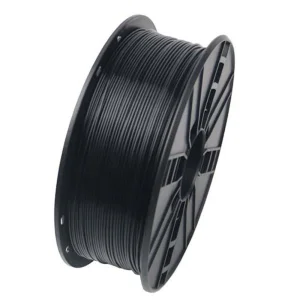
Weather-proof Acrylonitrile Styrene Acrylate engineered for outdoor fixtures in Kiruna winter temperatures and Baltic coast UV exposure.
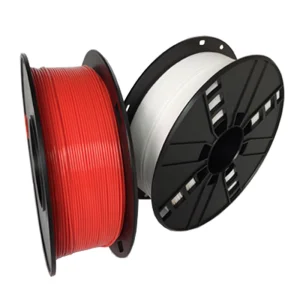
Thermal-resistant ABS engineered for structural automotive prototypes, jigs, and fixtures requiring high impact deflection.
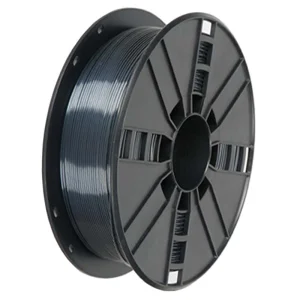
Ultra-smooth metallic surface finish for architectural modeling and high-end aesthetic prototypes in Stockholm design studios.
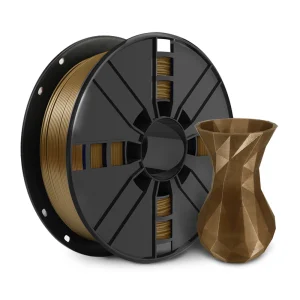
Consistently dimensional PLA with ±0.02mm diameter accuracy, optimized for high-speed multi-material 3D printer farms.
Why modern Nordic OEMs are replacing conventional ABS with Acrylonitrile Styrene Acrylate (ASA) for end-use additive manufacturing in demanding environments.
Sweden represents one of Europe's most sophisticated markets for advanced additive manufacturing (AM). With key industrial hubs centered around Stockholm, Gothenburg, Malmö, and the Mälardalen region, Swedish enterprises in automotive engineering (Volvo Group, Scania), heavy forestry machinery (Husqvarna), marine operations along the Bohuslän archipelago, and renewable energy logistics demand materials that survive harsh Arctic conditions.
Historically, standard ABS (Acrylonitrile Butadiene Styrene) was the default choice for tough functional parts. However, under the unique microclimatic challenges of Northern Europe—characterized by intense seasonal solar radiation reflected by winter snow cover, fluctuating temperatures ranging from -30°C in Kiruna to +30°C in summer, and high moisture/salt mist along coastal waters—standard ABS experiences severe photo-oxidation, embrittlement, and yellowing within 6 to 12 months.
This is where Torwell's ASA (Acrylonitrile Styrene Acrylate) Filament provides a transformative advantage. By replacing the butadiene rubber phase of ABS with an acrylic ester elastomer matrix, ASA retains over 98% of its mechanical tensile strength and impact resistance under prolonged UV radiation and sub-zero thermal cycling.
Comparative degradation rates under simulated 1,000-hour Nordic outdoor UV and moisture exposure testing:
An engineering breakdown for Swedish procurement managers and industrial print farm operators selecting materials for outdoor and mechanical applications.
| Mechanical / Thermal Property | Torwell ASA Engineering | Standard ABS | Industrial PETG | Polycarbonate (PC) |
|---|---|---|---|---|
| Tensile Strength (ISO 527) | 48.5 MPa | 42.0 MPa | 50.0 MPa | 65.0 MPa |
| Izod Impact Strength (-30°C) | 18.2 kJ/m² (Superior) | 7.5 kJ/m² (Brittle) | 9.1 kJ/m² | 22.0 kJ/m² |
| Heat Deflection Temp (0.45 MPa) | 98.5 °C | 94.0 °C | 72.0 °C | 138.0 °C |
| UV Radiation Resistance (UVA 340nm) | Grade 5 (No Change) | Grade 1 (Severe Degradation) | Grade 3 (Yellowing) | Grade 2 (Loss of Clarity) |
| Hydrophobic / Moisture Absorption | 0.22% (Low) | 0.35% (Medium) | 0.15% (Very Low) | 0.40% (High) |
| Print Bed / Chamber Temp Requirement | 90–110°C Bed (Enclosed) | 100–110°C Bed (Enclosed) | 70–80°C Bed (Open Bed OK) | 110–130°C Bed (Active Chamber) |
| Matt/Gloss Surface Finish | Satin Matte (Hides Layer Lines) | Semi-Gloss | High Gloss | Optically Clear/Matte |
While Polycarbonate (PC) offers higher raw thermal resistance, ASA provides superior dimensional stability during printing, lower warping strain, and far higher UV weatherability at roughly 35% lower material procurement cost. This makes ASA the primary standard for Swedish outdoor utility equipment, electrical enclosures, and automotive aftermarket components.
From Gothenburg’s maritime corridor to Lapland’s mining equipment, see how Swedish businesses leverage our factory-direct extrusion capacity.
Used by tier-1 automotive suppliers in Gothenburg and Södertälje for customized cab interior components, sensor brackets, mirror housings, and low-volume production assembly jigs that must withstand vibration and oil splash.
Navigational instrument housings, sonar mounting plates, and coastal communication hardware installed along the Swedish archipelago. Torwell ASA withstands extreme saltwater fog without micro-cracking or environmental stress cracking.
Deployed in remote Arctic weather monitoring stations in Norrland. Housing sensitive electronics, wireless transceivers, and lithium batteries in IP67-rated 3D printed enclosures that survive relentless sub-zero freezing and solar UV glare.
Prototyping and direct end-use manufacturing of lawncare robotics, timber harvesting control grips, and heavy equipment cab accessories across Jönköping and Småland industrial regions.
Custom cable guides, terminal box shrouds, and aerodynamic sensor cowlings installed on wind turbines across Skåne and offshore Baltic arrays, requiring 10+ years of maintenance-free UV weatherability.
Engineered for high-flow extrusion in modern high-speed industrial printers (Bambu Lab X1-E, Voron 2.4, Raise3D, Stratasys compatible). Low odor emission during printing simplifies workshop air filtration compliance.
Since 2011, Torwell has operated a standardized 2,500 m² extrusion facility with 6 automated production lines dedicated to high-precision 3D polymer manufacturing.
Filament diameter deviation is the #1 cause of hotend clogs and under-extrusion in print farms. Every meter of Torwell ASA is monitored real-time by dual-axis laser micrometers to enforce strict ±0.02 mm tolerance limits with automatic feedback loop speed adjustment.
Ocean freight transit to Gothenburg port takes approximately 28-35 days. Torwell dries raw polymer pellets down to <0.02% moisture before extrusion and packs spools in thick aluminum-laminated moisture barrier vacuum bags with industrial active desiccant silica to ensure zero hydration on arrival.
Importing plastics and 3D printing consumables into Sweden requires strict compliance with European Union chemical legislation under ECHA (European Chemicals Agency) guidance. Non-compliant materials risk seizure at Swedish customs points (Tullverket) or heavy fines under national environmental codes.
Virgin grade, non-recycled chemical base resin ensures identical melt flow index (MFI 12g/10min) from spool to spool.
Automatic step-motor controlled spooling guarantees layer-by-layer neat alignment, preventing cross-over snags during unattended overnight print runs.
Full support for customized die-cut boxes, barcode integration, multilingual Swedish/English manuals, and private label spool sticker printing.
From ultra-flexible Shore 75A/95A TPUs to decorative metallic Silks and industrial ABS filaments—all manufactured in our ISO 9001 certified facility.
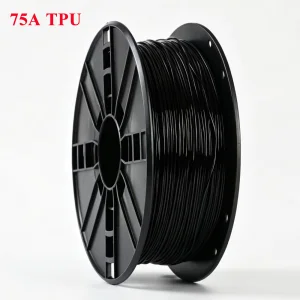
High-elasticity soft thermoplastic polyurethane ideal for vibration dampers, seals, and ergonomic grips in Swedish industrial machinery.
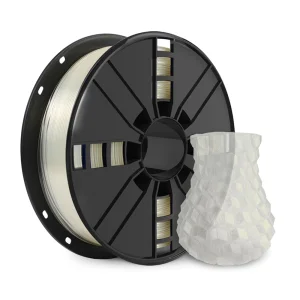
Optically clear PLA formulation designed for light pipes, architectural window prototypes, and fluid monitoring housings.
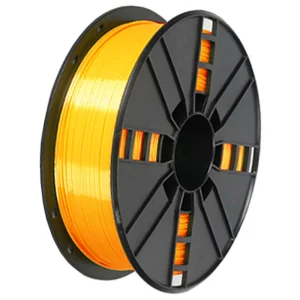
Pearlescent metallic sheen formulation for premium consumer retail products, decorative trophies, and display prototypes.
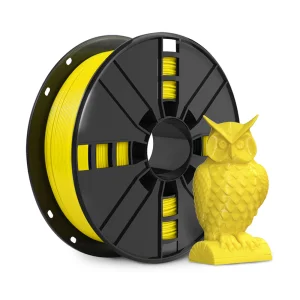
Vibrant, high-visibility color-matched PLA engineered for safety fixtures, educational print labs, and rapid visual prototypes.
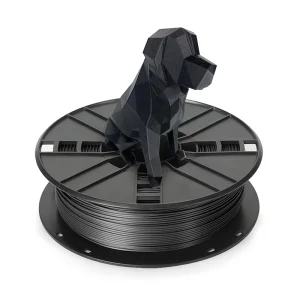
Enhanced toughness matrix offering 4x impact resistance over basic PLA. Optimized for 300mm/s+ high-speed coreXY printers.
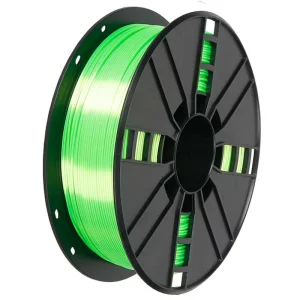
Rich, lustrous green surface finish engineered for retail eco-branding models and eye-catching product packaging designs.
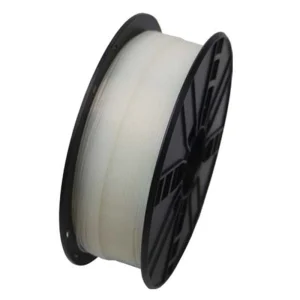
Thermal stability up to 95°C with high interlayer weld strength, ideal for functional mechanical housings and electronics enclosures.
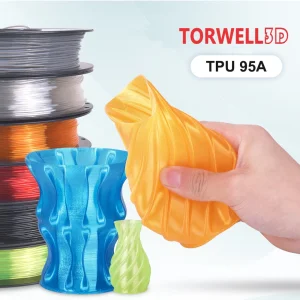
The industry benchmark for flexible 3D printing. Easy feeding in direct-drive extruders with excellent tear strength and oil resistance.
Clear technical answers regarding printing parameters, OEM logistics, custom formulations, and compliance for Northern European buyers.
Partner directly with China's leading polymer extrusion factory. High-performance ASA, ABS, TPU, and PLA spools with guaranteed ±0.02mm tolerance and full OEM customization.