Industrial Polymers & Additive Manufacturing Report

China Printing TPU Manufacturer & Suppliers

Technical Whitepaper on Thermoplastic Polyurethane Extrusion, Shore Hardness Precision (80A–77D), Supply Chain Efficiency & Enterprise OEM Procurement Framework

Primary Product Showcase

Factory Direct 3D Printing Materials Portfolio

Industrial-grade polymers engineered for high layer adhesion, ultra-tight ±0.02 mm dimensional tolerance, and reliable high-speed deposition.
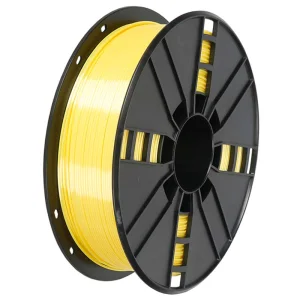
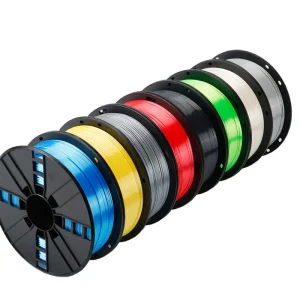
China Silky Shiny PLA filament Yellow Color Manufacturer
China Silky Shiny PLA filament Yellow Color Manufacturer, Manufacturers
View Product Details
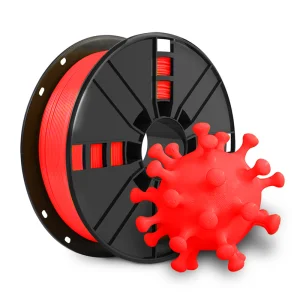
China PLA 3D printer filament red color Manufacturers
China PLA 3D printer filament red color Manufacturers, Factory
View Product Details
China Silk 1.75mm Silver PLA 3D Printer Filament
China Silk 1.75mm Silver PLA 3D Printer Filament Manufacturers, Factories
View Product Details
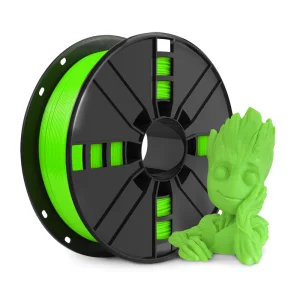
Wholesale Pla printer filament green color
Wholesale Pla printer filament green color Manufacturers, Suppliers
View Product Details
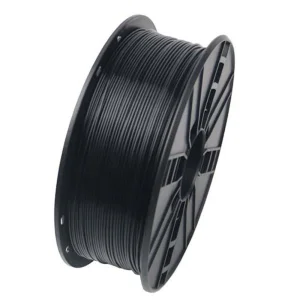
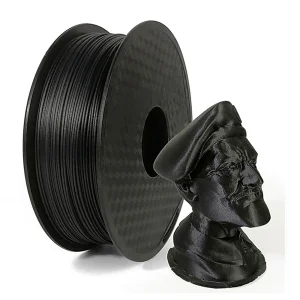
Wholesale PETG Carbon Fiber 3D Printer Filament
Wholesale PETG Carbon Fiber 3D Printer Filament, 1.75mm 800g/spool Manufacturers, Supplier
View Product Details
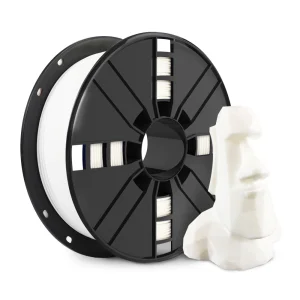
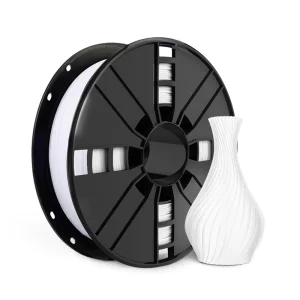
China PLA filament white for 3D printing
China PLA filament white for 3D printing Manufacturer, Manufacturers
View Product Details
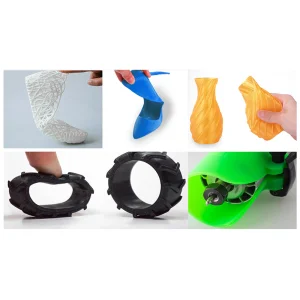
Wholesale Flexible TPU filament for 3D printing soft material
Wholesale Flexible TPU filament for 3D printing soft material Manufacturers, Supplier
View Product Details
China ASA filament for 3D printers UV stable filament
China ASA filament for 3D printers UV stable filament Supplier, Factories
View Product Details
Executive Technical Report

Global TPU Additive Manufacturing & Industry Landscape

Thermoplastic Polyurethane (TPU) has evolved from an experimental elastomeric filament into a indispensable cornerstone of modern industrial additive manufacturing. Classified as a linear block copolymer consisting of alternating hard segments (diisocyanates reacting with chain extenders) and soft segments (polyether or polyester polyol chains), TPU bridges the performance gap between flexible rubbers and rigid structural engineering polymers. In the current global industrial landscape, the demand for precision TPU 3D printing filaments is experiencing an unprecedented compound annual growth rate (CAGR) exceeding 14.2%, driven primarily by the transition from rapid prototyping to distributed digital manufacturing of end-use functional components.

Historically, Fused Deposition Modeling (FDM) or Fused Filament Fabrication (FFF) with flexible elastomers presented severe processing challenges, including filament buckling inside drive gears, severe hygroscopic degradation, nozzle clogging due to melt-swell variance, and erratic stringing across non-printed travel paths. However, breakthroughs engineered by specialized Chinese TPU filament manufacturers—specifically through advanced polymer melt synthesis, precise Shore hardness optimization (from highly compliant 80A to rigid 77D grades), dynamic friction control coatings, and high-speed extrusion lines—have completely rewritten the operational standards for flexible additive manufacturing globally.

50,000+ kg
Monthly Manufacturing Capacity
±0.02mm
Inline Laser Gauge Tolerance
75+ Countries
Global Distribution Network
13+ Years
Polymer Extrusion R&D Experience

Enterprise buyers across North America, Europe, and Asia-Pacific are increasingly shifting their supply chain reliance toward tier-1 Chinese TPU manufacturing hubs. China's integrated chemical raw material ecosystem—which produces high-purity MDI, TDI, PTMEG, and polyester polyols at massive economies of scale—enables top-tier producers like Torwell Technologies to maintain uncompromising batch-to-batch consistency, ultra-tight diameter tolerances, and competitive wholesale pricing unmatched by Western compounders.

Supply Chain Superiority

China's Manufacturing Efficiency & Structural Cost Advantages

The global dominance of China in the 3D printing TPU filament sector is not merely a product of labor availability; it is rooted in vertical chemical integration, automated manufacturing infrastructure, and specialized polymer process engineering. Operating within a standardized 2,500 m² cleanroom extrusion facility equipped with 6 automated high-speed extrusion lines, specialized manufacturers manage every stage of the production chain—from raw resin desiccant drying to final continuous laser inspection and automated spooling.

Upstream Chemical Integration

Direct supply partnerships with chemical giants ensure immediate access to raw MDI/PTMEG resins, eliminating broker markups and stabilizing raw material cost structures.

Continuous Laser Monitoring

Dual-axis high-frequency laser micrometers track diameter roundness 2,000 times per second, automatically adjusting extruder screw speeds to lock variance at ±0.02 mm.

Automated Dehumidification

TPU is inherently hygroscopic. Factory-wide closed-loop desiccant hoppers lower resin moisture content below 0.02% before extrusion to prevent micro-bubbling.

The Mechanics of Precision Filament Extrusion

Extruding TPU requires radically different screw L/D (Length to Diameter) ratios compared to rigid plastics like PLA or PETG. Because molten TPU exhibits pseudoplastic non-Newtonian flow behavior, excessive shear stress inside the barrel can degrade hard-segment domains, resulting in erratic melt flow indexes (MFI) and severe layer adhesion loss. Chinese manufacturing engineers utilize low-shear, barrier-flight extruders paired with melt-gear pumps that ensure uniform volumetric output regardless of backpressure fluctuations.

Furthermore, post-extrusion cooling requires multi-stage temperature-controlled water baths. Rapid quenching causes micro-crystalline phase separation defects within the TPU matrix, rendering the printed filament brittle or sticky. Torwell's proprietary gradient-temperature cooling channels allow gradual recrystallization, giving the resulting 1.75mm and 2.85mm filaments superior surface lubricity, high tensile elasticity, and flawless feeding performance across both direct-drive and Bowden extruders.

Polymer Engineering Whitepaper

Engineering Technical Deep-Dive: TPU Hardness & Rheological Matrix

Selecting the correct TPU specification requires a deep understanding of Shore Hardness scales, polymer backbone chemistry (Polyester vs. Polyether vs. Polycarbonate-based TPUs), and mechanical strain profiles. Below is an authoritative technical matrix comparing the physical properties of industrial-grade 3D printing TPU formulations produced by leading Chinese manufacturers.

Grade / Shore Hardness Polymer Type Tensile Strength (MPa) Elongation at Break (%) Tear Strength (kN/m) Density (g/cm³) Key Industrial Feature
TPU 80A / 85A Polyether / Polyester 32 – 38 650% – 750% 65 – 80 1.14 Ultra-flexible, shock absorption, soft seals
TPU 90A / 95A Polyester (Standard) 45 – 52 500% – 580% 110 – 130 1.21 Optimal balance of printability & elasticity
TPU 64D Polyether Base 55 – 62 350% – 420% 150 – 175 1.23 Semi-rigid, high fatigue strength, snap-fits
TPU 77D (Industrial) Polycarbonate Compound 68 – 75 180% – 250% 190 – 210 1.26 High structural stiffness, oil & fuel immune

Polyester TPU vs. Polyether TPU Chemistry

A critical metric often overlooked by non-specialist procurement officers is the foundational soft-segment polymer backbone:

  • Polyester-Based TPU: Formulated via reactions between polycaprolactone or adipic acid esters and diisocyanates. Polyester grades offer exceptional cut/abrasion resistance, superior tensile strength, and extreme resistance to mineral oils, greases, and non-polar solvents. They are the ideal choice for automotive bushings, industrial conveyor belts, and mechanical gaskets. However, they exhibit susceptibility to hydrolytic degradation when continuously submerged in hot aqueous environments.
  • Polyether-Based TPU: Synthesized using polytetramethylene ether glycol (PTMEG). Polyether grades provide outstanding hydrolytic stability, low-temperature flexibility (retaining compliance down to -40°C), and biological resistance against microbial attack and fungi. They are universally specified for medical splints, marine underwater enclosures, wearable electronics, and footwear midsoles exposed to damp outdoors.
Real-World Deployment

Localized & Global Industrial Application Scenarios

The practical versatility of 3D printed TPU parts has opened transformative production workflows across global enterprise sectors. By leveraging additively manufactured elastomeric components, companies eliminate tens of thousands of dollars in traditional injection molding tooling costs while compressing design iteration cycles from months to hours.

Automotive & Electric Vehicles

Custom vibration dampers, flexible wiring harness conduits, weather-sealing door gaskets, and impact-resistant bumper mounts printed in flame-retardant (UL94-V0 rated) TPU 95A.

Robotics & Factory Automation

Conformal end-of-arm robotic grippers, pneumatic suction cups, protective bellows for 6-axis robot joints, and non-marring assembly jigs customized for high-speed pick-and-place lines.

Medical & Orthopedic Devices

Patient-matched prosthetic liner sleeves, flexible orthopedic insoles with variable-density lattice infills, breathable wrist splints, and bio-compatible skin-contact device wraps.

Aerospace & Defense Electronics

Shock-absorbing gimbal mounts for unmanned aerial vehicles (UAVs), conductive ESD-safe instrument protective boots, and dust-tight sealings for ruggedized field electronics.

High-Performance Footwear

Mass-customized energy-return midsole structures printed directly on high-speed additive farm installations, allowing localized stiffness tuning for athlete biomechanics.

Consumer Electronics Protection

Ultra-clear yellowing-resistant phone enclosures, action camera protective sleeves, drop-tested laptop corner bumpers, and ergonomic gaming controller grips.

Information Gain: Variable-Density Infill Engineering

By adjusting internal infill geometry (such as Gyroid, 3D Honeycomb, or Kelvin Foam structures) and modulating extrudate flow ratios, engineers using TPU 95A can create parts with variable shore hardness profiles—ranging from an effective 40A soft feel at the center to a dense 95A structural exterior wall within a single uninterrupted print job.

Enterprise Procurement Guidelines

OEM/ODM Procurement Framework: Evaluating China Manufacturers

When sourcing TPU 3D printing filaments at container scale, enterprise buyers, regional distributors, and white-label brand owners must establish rigorous Quality Assurance (QA) and Vendor Qualification protocols. Sourcing from China offers major cost efficiencies, but securing repeatable performance requires auditing suppliers against specific manufacturing capabilities.

Key Audit Checkpoints for Overseas Procurement Officers:

  1. Laser Measurement Telemetry Records: Ensure the manufacturer provides continuous inline diameter logs for each batch. Standard mechanical caliper checks are insufficient for soft materials; dual-axis non-contact laser optical telemetry is mandatory to guarantee a tolerance of ±0.02 mm.
  2. Moisture Control Packaging Protocols: TPU is exceptionally hygroscopic, absorbing ambient moisture within hours. Verify that the supplier dries resin via desiccant dryers to <0.02% water content, packages spools immediately with active silica gel desiccants, and vacuum seals spools inside thick multi-layer aluminum-foil or high-density polyethylene bags.
  3. Pigment Dispersion & Color Consistency: Poor pigment blending creates stress concentration points that cause premature filament snapping. Leading manufacturers utilize high-shear liquid masterbatch dosing systems to achieve flawless color fastness (Delta E < 0.5 across production batches).
  4. Custom OEM & White-Label Capabilities: Audit the factory's flexibility regarding custom Pantone color matching, private-label box artwork printing, customized spool materials (such as eco-friendly cardboard spools or high-temp PC spools for AMS systems), and custom net-weight options (250g, 500g, 1kg, 3kg, 5kg industrial reels).
  5. Regulatory & Environmental Compliance: Verify full compliance with international standards, including RoHS 3.0, REACH SVHC, FDA food-contact safety compliance, and ISO 9001:2015 quality management systems.
OEM Customization Parameter Standard Factory Specification Enterprise Custom Options
Filament Diameters 1.75 mm (±0.02 mm) 2.85 mm / 3.00 mm (±0.03 mm)
Spool Net Weights 1.0 kg (2.2 lbs) Standard Reel 250g, 500g, 2.0kg, 3.0kg, 5.0kg, 10kg Master Reels
Spool Construction Transparent Polycarbonate / Black ABS Recyclable Pressed Cardboard / High-Temp AMS-Flanged
Color Matching 60+ Stock Pantone Colors Custom Pantone / RAL / Spectrophotometer Sample Match
Packaging Integrity Vacuum Bag + Desiccant + Neutral Box Custom Printed Retail Box + Barcode Labeling + Master Carton
Industry Outlook 2025–2030

Next-Generation Technological Trends in TPU Printing Materials

The additive manufacturing industry is rapidly evolving, driven by high-speed CoreXY 3D printers operating at speeds exceeding 300 mm/s to 600 mm/s. Traditional flexible filaments often fail under these extreme acceleration rates due to buckling in drive gears. Chinese polymer R&D teams are pioneering several breakthrough TPU formulation classes to meet next-generation requirements:

High-Speed TPU Formulations

Engineered with modified strain-crystallization behavior and lubricated surface coats, high-speed TPU enables error-free extrusion at 250+ mm/s without toolhead jamming.

Foamable TPU (Active Foaming)

Utilizing thermo-active chemical blowing agents, this material expands up to 200% at printing temperatures between 230°C–250°C, lowering printed part density down to 0.45 g/cm³.

ESD & Conductive TPU Compounds

Doped with multi-walled carbon nanotubes (MWCNTs), conductive TPU provides stable surface resistivity ($10^4$ to $10^6$ $\Omega$/sq) for static-dissipative semiconductor handling fixtures.

Bio-Based Sustainable TPUs

Synthesized using plant-derived polyols (such as castor oil derivatives), bio-based TPU formulations reduce carbon footprints by over 45% while preserving industrial elasticity.

Procurement & Technical FAQ

Frequently Asked Questions by Global Enterprise Buyers

Comprehensive answers to critical technical, manufacturing, and shipping questions when partnering with Chinese TPU suppliers.

Why should international buyers source TPU filaments directly from Chinese manufacturers?
Sourcing directly from Chinese TPU manufacturers like Torwell Technologies gives enterprise buyers access to vertically integrated raw material supply chains, state-of-the-art automated extrusion facilities, and dedicated polymer R&D teams. China produces high-purity MDI and polyol chemical precursors at scale, enabling consistent batch-to-batch quality, tight ±0.02 mm diameter tolerances, and wholesale pricing that provides substantial margins for brand owners and distributors worldwide.
How does Shore Hardness (80A vs. 95A vs. 64D) impact 3D printability and printer setup?
Shore 95A is considered the gold standard for standard FDM 3D printing; it possesses sufficient column strength to be fed reliably through both direct-drive and constrained Bowden extruders without buckling. Softer grades like Shore 80A or 85A exhibit ultra-high elasticity but require direct-drive extruders with fully enclosed filament paths, lower print speeds (15–30 mm/s), and zero retraction. Conversely, rigid grades like 64D or 77D print seamlessly at standard PLA speeds (60–100+ mm/s) and deliver superior structural load performance.
What quality control protocols are used to guarantee ±0.02 mm diameter accuracy?
Leading Chinese factories employ multi-stage closed-loop quality control systems. During extrusion, dual-axis continuous laser micrometers measure the filament diameter and ovality at high frequencies. This data feeds back into the melt gear pump and tractor pullers in real time, making millisecond micro-adjustments. Additionally, raw resin is dried in desiccant hoppers to maintain moisture levels below 0.02%, eliminating thermal expansion variations during extrudate swelling.
What OEM and Private-Label customization options are available for corporate orders?
Torwell Technologies offers turnkey OEM/ODM services for brands, Amazon top-sellers, and international distributors. Customization includes exact Pantone/RAL color matching, custom spool designs (including recyclable cardboard spools engineered for automatic material systems like Bambu Lab AMS), custom net weights (250g to 10kg master reels), private-label vacuum bag printing, custom retail box artwork design, and localized Technical Data Sheets (TDS) and Safety Data Sheets (SDS).
How do you prevent TPU filament from absorbing moisture during oceanic freight?
All extruded TPU spools undergo deep thermal drying before spooling. Immediately after automated winding, each spool is sealed inside a heavy-duty moisture-barrier vacuum bag along with a high-capacity active silica gel desiccant pack and a humidity indicator card. These sealed units are packed into sturdy corrugated cardboard cartons, ensuring complete protection against humidity, saltwater air, and ambient temperature shifts during sea or air transport.
Can Torwell TPU filaments be printed reliably on high-speed 3D printers?
Yes. Modern formulations engineered by Torwell incorporate advanced strain-crystallization modifiers and surface friction control agents. These enhancements permit smooth extrusion at elevated volumetric flow rates, enabling reliable print speeds of 150–250 mm/s on high-speed CoreXY 3D printers without risk of drive gear slipping, toolhead buckling, or layer delamination.
What are the Minimum Order Quantities (MOQ) and production lead times for wholesale orders?
For standard stock colors and standard Shore 95A formulations, MOQs start as low as 50 to 100 spools. For fully customized OEM orders—such as custom Pantone color matches or specialized private-label box packaging—the standard MOQ is typically 500 to 1,000 spools per SKU. Standard lead times for container-load production orders range between 10 to 15 business days following sample approval.
Which international environmental and safety certifications do Torwell filaments carry?
All 3D printing filaments manufactured by Torwell comply fully with global environmental regulations, including EU RoHS Directive 2011/65/EU and (EU) 2015/863, REACH SVHC candidate list compliance, FDA food-contact safety compliance for specified raw resin grades, and ISO 9001:2015 Quality Management System certification.
Complete Wholesale Catalog

Additional High-Performance Filaments & Specialty Materials

Explore our complete manufacturing lineup of ABS, PETG, Silk PLA, ASA, and multi-color gradient filaments engineered for enterprise additive production.
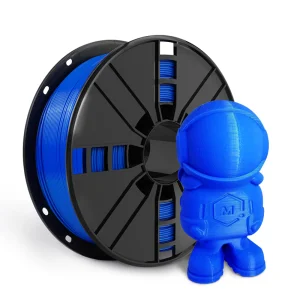
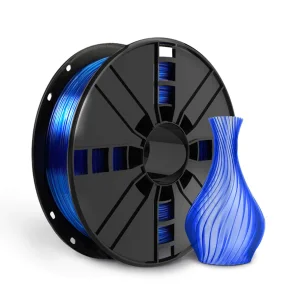
China ABS 3D Printer Filament, Blue Color
China ABS 3D Printer Filament, Blue Color, ABS 1kg Spool 1.75mm Filament Manufacturers, Supplier
View Product Details
Wholesale 1.75mm white PETG Filament for 3D printing
Wholesale 1.75mm white PETG Filament for 3D printing Manufacturers, Factory
View Product Details
Wholesale PETG filament 1.75 Blue for 3D printing
Wholesale PETG filament 1.75 Blue for 3D printing Manufacturers, Factories
View Product Details
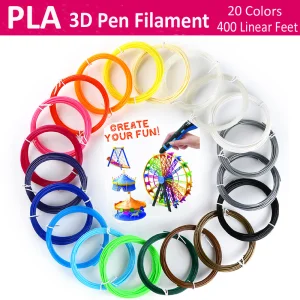
China Torwell PLA 3D pen Filament for 3D printer
China Torwell PLA 3D pen Filament for 3D printer and 3D pen Manufacturer, Factories
View Product Details
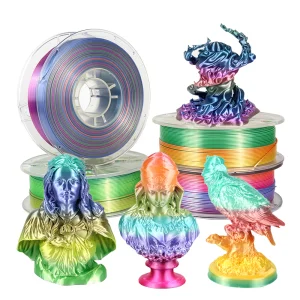
China Silk Shiny Fast Color Gradient Change Rainbow Multicolored PLA Filament
China Silk Shiny Fast Color Gradient Change Rainbow Multicolored 3D Printer PLA Filament Supplier, Factory
View Product Details
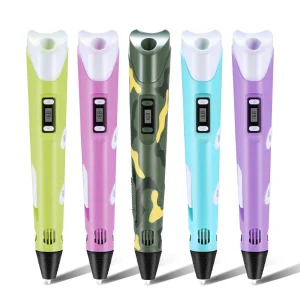
Wholesale DIY 3D Drawing Printing Pen with LED Screen
Wholesale DIY 3D Drawing Printing Pen with LED Screen- Creative Toy Gift For Kids Supplier, Suppliers
View Product Details
Wholesale Silk PLA 3D Filament With Shining Surface
Wholesale Silk PLA 3D Filament With Shining Surface, 1.75mm 1KG/Spool Manufacturer, Supplier
View Product Details
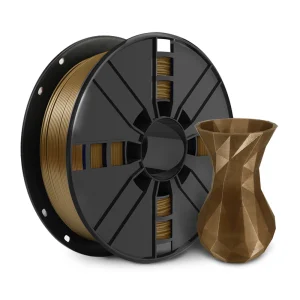
China 1.75mm 1kg Gold PLA 3D Printer Filament
China 1.75mm 1kg Gold PLA 3D Printer Filament Manufacturer, Factory
View Product Details