1 / 3
| Brand | Torwell |
| Material | polymer composites Pearlescent PLA (NatureWorks 4032D) |
| Diameter | 1.75mm / 2.85mm / 3.0mm |
| Net weight | 1 Kg/spool; 250g/spool; 500g/spool; 3kg/spool; 5kg/spool; 10kg/spool |
| Gross weight | 1.2Kg/spool |
| Tolerance | ± 0.03mm |
| Length | 1.75mm(1kg) = 325m |
| Storage Environment | Dry and ventilated |
| Drying Setting | 55˚C for 6h |
| Support materials | Apply with Torwell HIPS, Torwell PVA |
| Certification Approval | CE, MSDS, Reach, FDA, TUV and SGS |
| Compatible with | Makerbot, UP, Felix, Reprap, Ultimaker, End3, Creality3D, Raise3D, Prusa i3, Zortrax, XYZ Printing, Omni3D, Snapmaker, BIQU3D, BCN3D, MK3, AnkerMaker and any other FDM 3D printers |
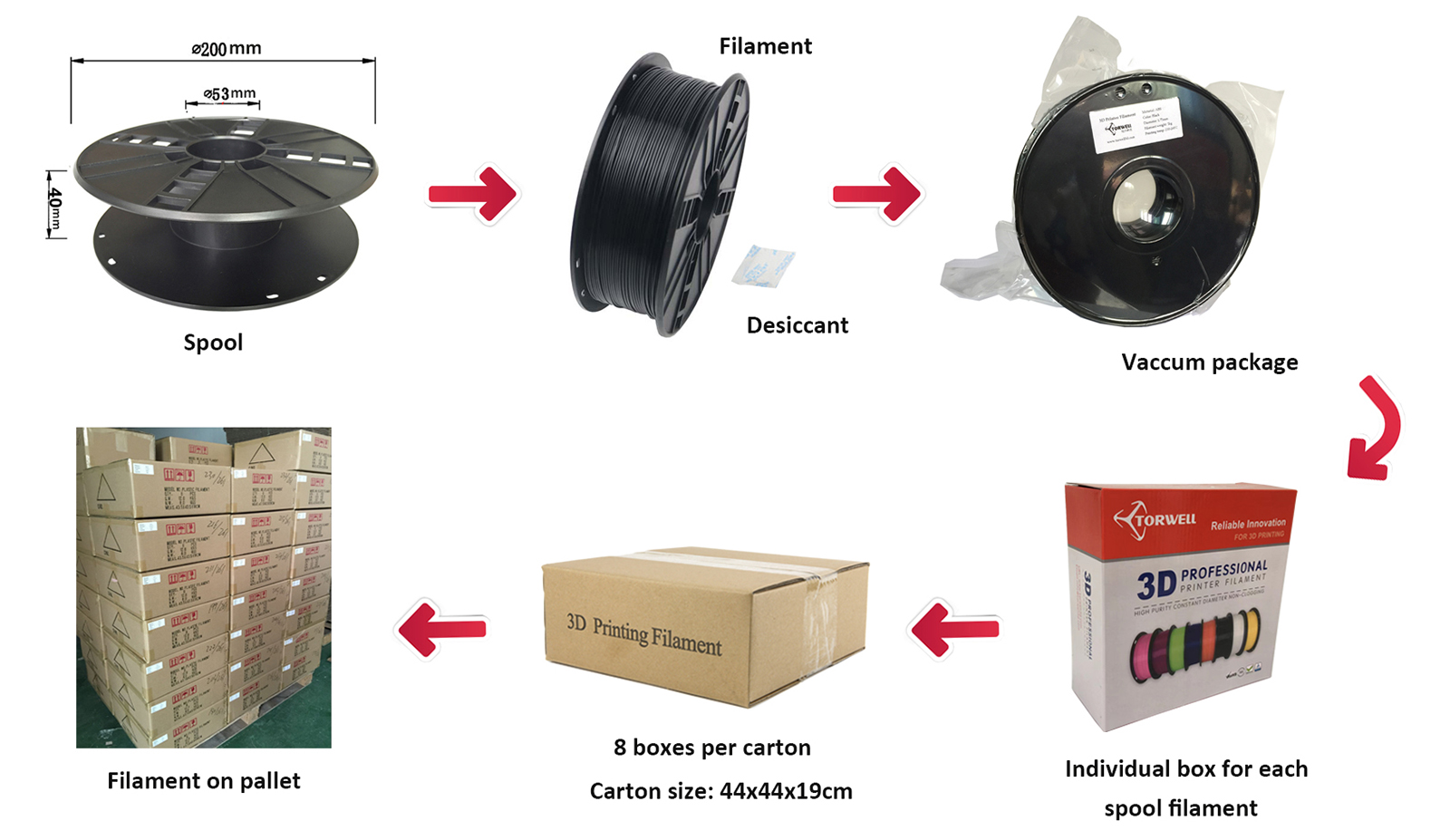
| Package | 1kg/spool; 8spools/ctn or 10spools/ctn sealed plastic bag with desiccants |
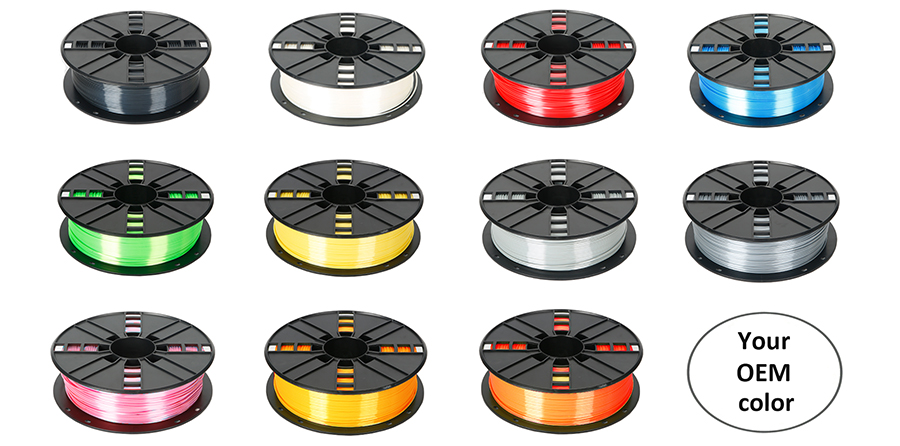

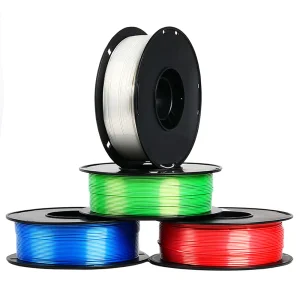
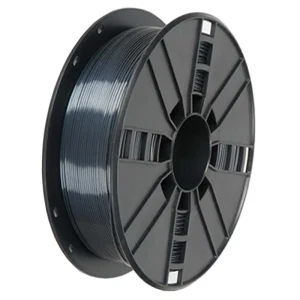
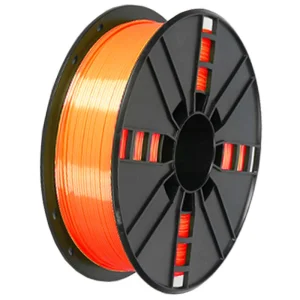
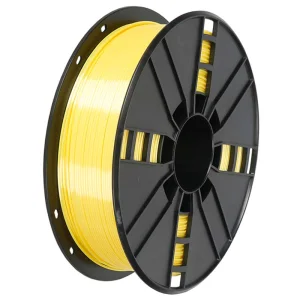
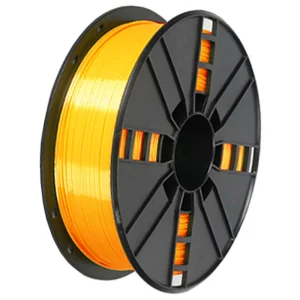
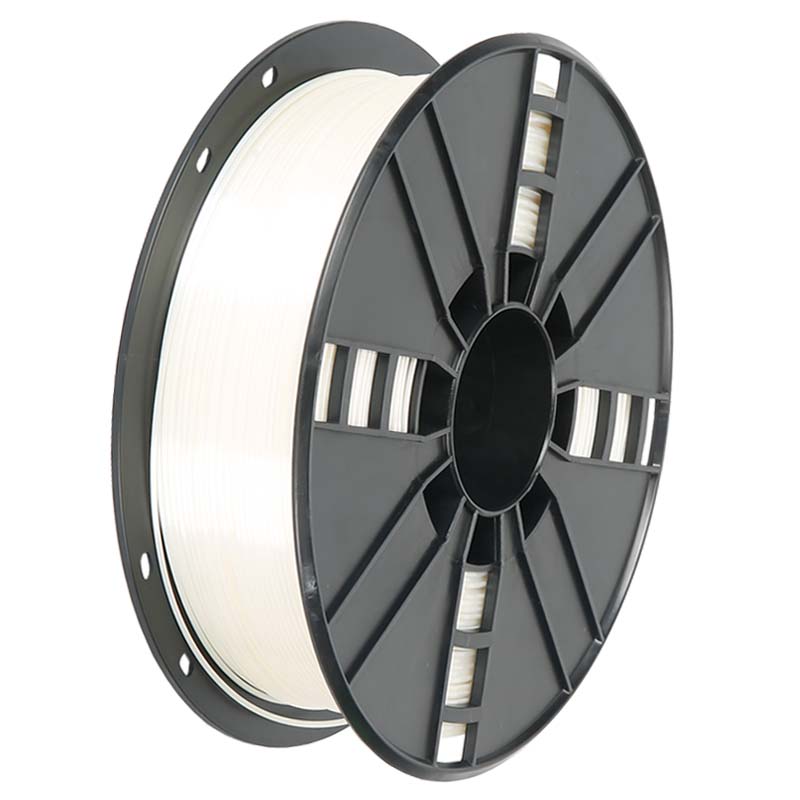
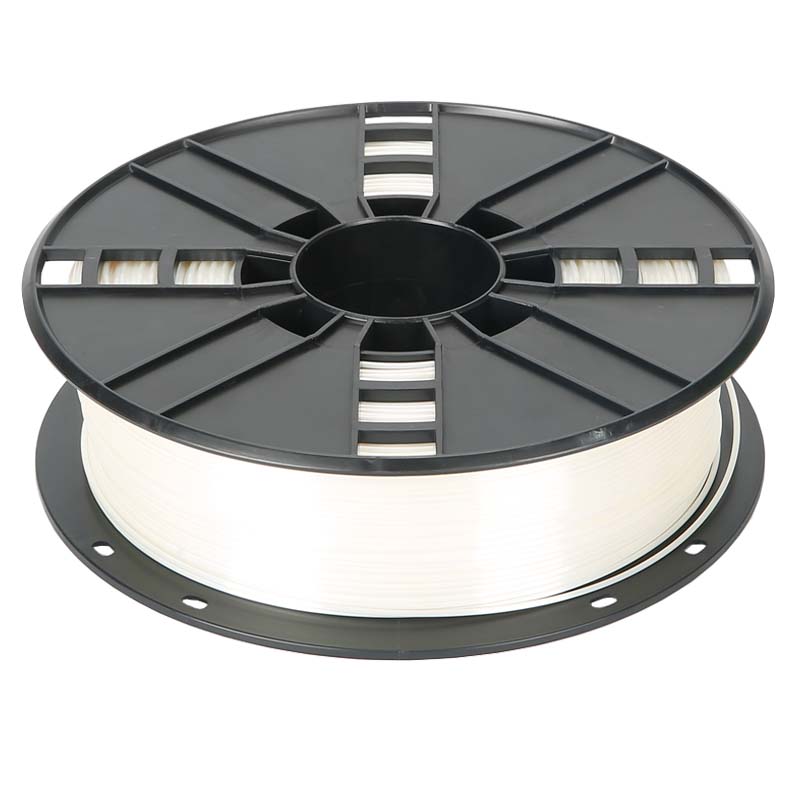
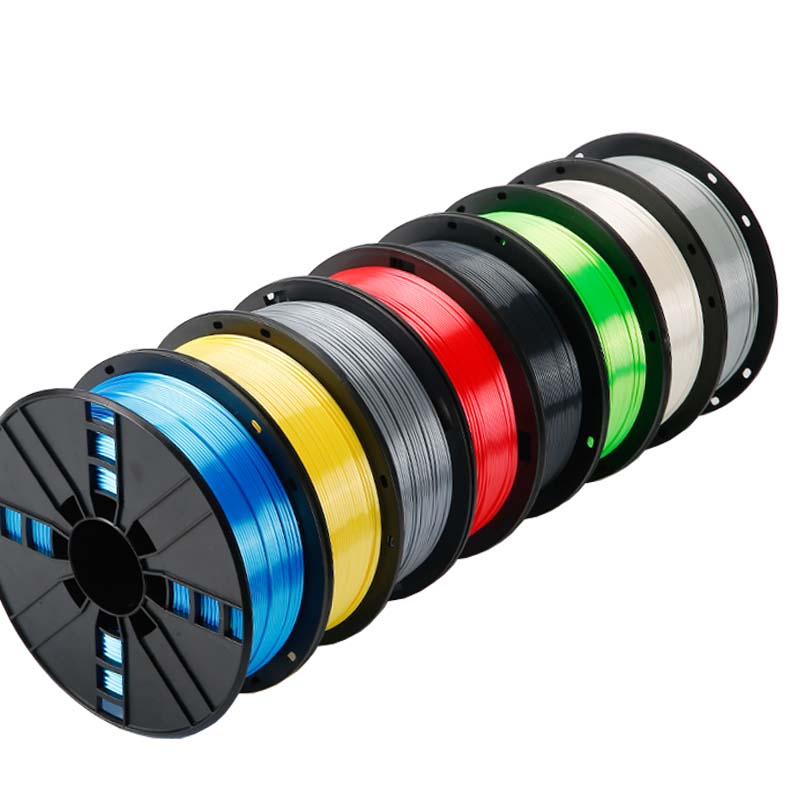
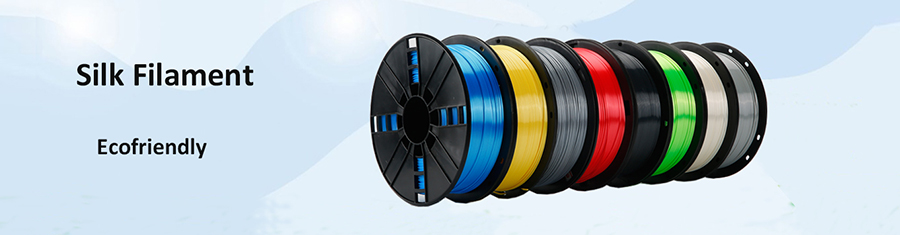
Like regular PLA filament, Torwell Silk PLA filament is easy to print. However, what’s special about this type of filament is that it produces a super shiny and silky surface finish, hence its name. Silk filament is loved throughout the 3D printing community for its visual effects on prints and it’s one of popular filament choices on the market.
Silk PLA is a type of filament derived from regular PLA, but with some extra chemicals and substances (additives) mixed into the filament blend. These additives make the filament shinier so that prints made with the filament look glossier, silkier, and overall more visually appealing.
Besides the different visual properties, silk PLA is pretty much the same as regular PLA. Of course, this isn’t much of a surprise as silk PLA is primarily made of regular PLA plastic anyways. As such, silk PLA still isn’t super strong.