Engineered for industrial reliability, dimensional stability, and precise extrudability across additive and traditional manufacturing.
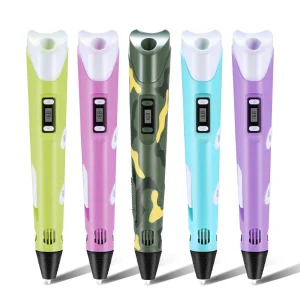
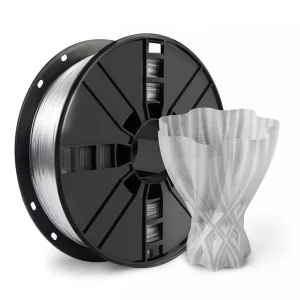
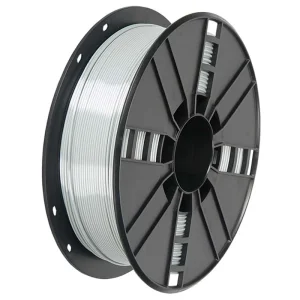
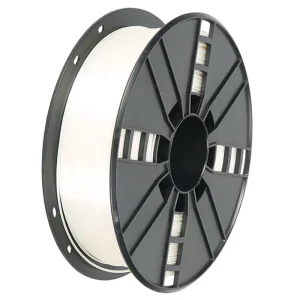
Analyzing the paradigm shift from low-cost plastic processing to high-precision elastomeric chemistry and intelligent supply chain ecosystems.
Thermoplastic Polyurethane (TPU) sits at the critical intersection of flexible rubber elasticity and rigid thermoplastic processability. As global OEMs in automotive, additive manufacturing, consumer electronics, and medical device engineering push for higher fatigue resistance, superior low-temperature flexibility, and eco-compliant recyclable elastomers, China TPU manufacturers and factories have transformed into global engineering partners.
Driven by substantial capital investments in continuous reactive twin-screw extrusion systems, automated gravimetric dosing, and real-time laser micrometer inspection, Chinese production hubs—particularly in the Greater Bay Area and Eastern industrial corridors—now command over 45% of global TPU compounding and filament production capacity. The transition from general-grade injection molding resins to specialized bio-based, aliphatic non-yellowing, and extreme hydrolytic-resistant TPU formulations has redefined the value proposition of sourcing from China.
Quantitative metrics defining modern Chinese TPU production standards and global supply fulfillment performance.
Understanding soft-segment and hard-segment block copolymer mechanics to select the precise grade for enterprise applications.
Formed by reacting polycaprolactone or polyester polyols with diisocyanates (MDI). Engineered for extreme mechanical stress.
Synthesized using polytetramethylene ether glycol (PTMEG). Designed for wet environments and cold flexibility.
The choice of isocyanate monomer fundamentally determines UV color stability and optical clarity over time.
How fully automated extrusion corridors in China eliminate quality bottlenecks and mitigate global trade volatility.
China hosts the world's most dense monomer synthesis clusters. Factory complexes in Guangdong, Zhejiang, and Jiangsu maintain direct pipeline feeds for MDI (Methylene Diphenyl Diisocyanate), PTMEG, and BDO (1,4-Butanediol).
This localized supply density insulates global enterprise buyers from monomer price shocks, guarantees batch-to-batch polymer purity, and eliminates long raw material lead times experienced by Western compounding plants.
Leading Chinese TPU factories deploy Smart Extrusion Lines equipped with multi-stage gravimetric feeder units that monitor raw resin density in real-time.
During the extrusion process, dual-axis inline laser micrometers sample diameter metrics at 500 Hz. Any variance exceeding ±0.015 mm triggers instant pneumatic pulling gear adjustments, automatically auto-rejecting out-of-spec sections before spooling.
Comprehensive physical and chemical performance benchmarking for procurement officers and materials engineers.
| TPU Grade / Type | Shore Hardness | Tensile Strength (MPa) | Elongation at Break (%) | Hydrolysis Resistance | Oil Resistance | Primary Processing Method |
|---|---|---|---|---|---|---|
| Polyester Soft (80A) | 80A | 35 - 40 | 550 - 650% | Fair | Excellent | Injection Molding / Extrusion |
| Polyester Standard (95A) | 95A | 45 - 55 | 450 - 520% | Good | Superior | FDM 3D Printing / Extrusion |
| Polyether Hydrolysis-Grade (85A) | 85A | 30 - 38 | 500 - 600% | Outstanding | Moderate | Tubing Extrusion / Medical |
| Aliphatic Optical Grade (90A) | 90A | 40 - 48 | 480 - 550% | Excellent | Good | Film Casting / PPF |
| Glass Fiber Reinforced (64D) | 64D - 75D | 85 - 110 | 15 - 35% | Good | Superior | Structural Injection Molding |
Deploying tailored TPU materials across additive manufacturing, automotive, electronics, and industrial fluid control.
TPU 95A and 85A filaments engineered with constrained low-friction surface coatings for smooth feeding in direct-drive and Bowden extruders without buckling or tangling.
Vibration dampening bushings, protective CV joint dust boots, and soft-touch interior dashboard trim components resistant to engine heat and chemical greases.
Skin-safe (ISO 10993 compliant) bio-compatible smartwatch bands, rugged shock-absorbing mobile device armor, and overmolded strain-relief cable connectors.
Explore our export-ready TPU, ABS, PLA+, and specialty composite filaments produced to strict ISO 9001 standards.
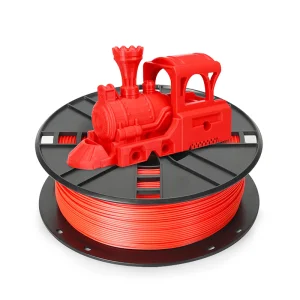
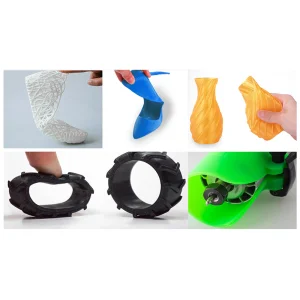
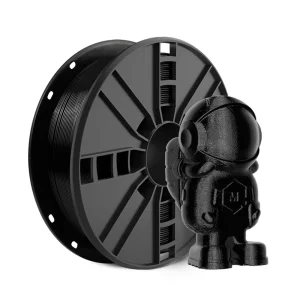
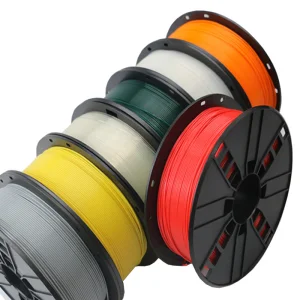
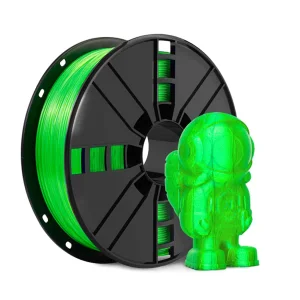
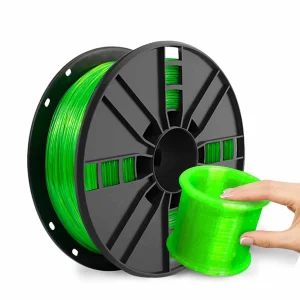
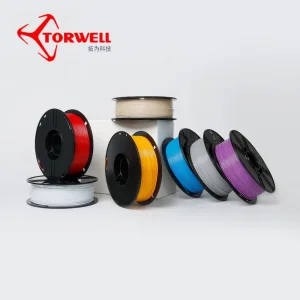
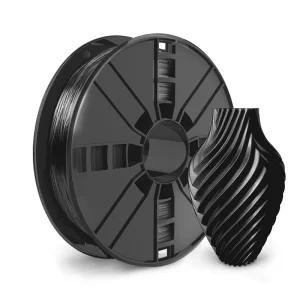
How global distributors and brands establish private label lines with Chinese TPU extrusion specialists.
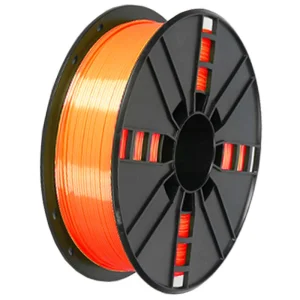
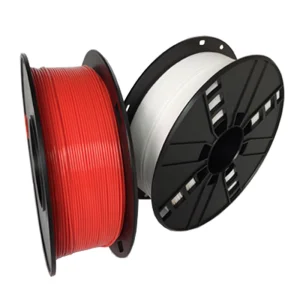
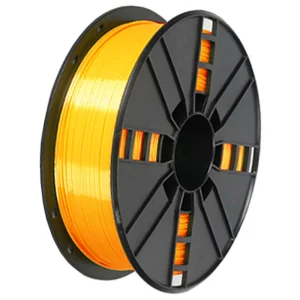
Standard raw TPU resin extrudes with a semi-translucent or milky-white appearance. For private label brands, Chinese factories utilize spectrophotometer-guided masterbatch dosing systems. Buyers can specify exact Pantone or RAL color codes. Custom formulations can incorporate special aesthetics including translucent neon shades, metallic pearlescent gradients, laser-reflective glitters, or color-changing thermochromic additives.
TPU is inherently hygroscopic. Absorbed environmental moisture hydrolyzes the polymer chain during extrusion, resulting in steam bubbles, severe stringing, micro-voids, and poor layer adhesion. Leading Chinese factories execute a 4-step moisture protocol:
In response to global sustainability directives, factories now offer eco-friendly recycled cardboard spools alongside traditional high-impact polystyrene (HIPS) spools. Spool dimensions are calibrated to fit standard multi-material AMS systems seamlessly, preventing winding friction or spool hub slippage.
Addressing the technical, logistics, and quality assurance questions asked by global procurement teams.