
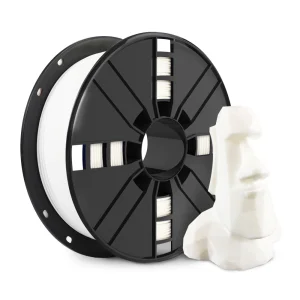
Factory-direct extrusion with precise ±0.02 mm diameter tolerance, laser-inspected for high-speed automated print farms and OEM private labels.
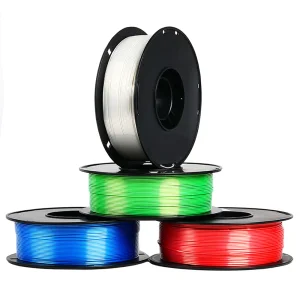
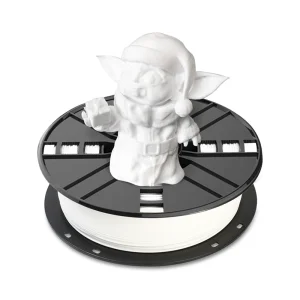
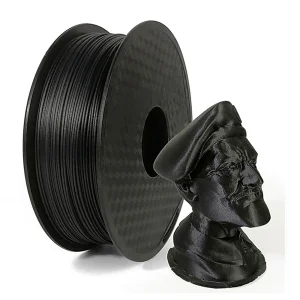
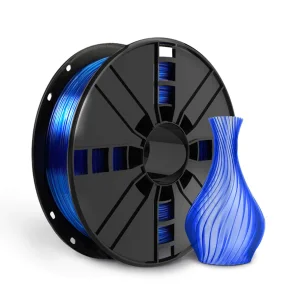
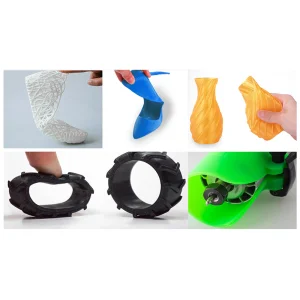
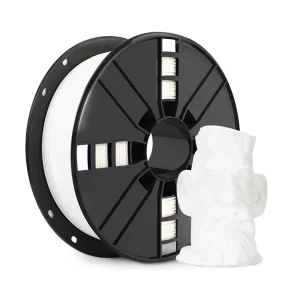
Analyzing the vertical supply chain integration, raw material synthesis, and advanced polymer extrusion infrastructure driving China's global market leadership.
In the realm of Additive Manufacturing (AM) and Fused Deposition Modeling (FDM), Polylactic Acid (PLA) stands as the undisputed foundational thermoplastic. Worldwide demand for 1.75mm and 2.85mm 3D printing filaments has surged dramatically alongside the rise of high-speed desktop 3D printers and industrial prototyping hubs. China has emerged as the global epicenter for PLA filament manufacturing, accounting for over 75% of worldwide supply. This concentration is not merely a result of labor economics; it is driven by a deep, vertically integrated industrial ecosystem that spans raw material synthesis, chemical modification, precision machinery engineering, and global logistics infrastructure.
The manufacturing journey of 3D printing grade PLA begins with renewable plant starches (corn or cassava), fermented into high-purity L-lactic acid. Advanced chemical facilities convert this lactic acid into cyclic lactide monomers, which undergo ring-opening polymerization (ROP) to yield high-molecular-weight Polylactic Acid resin. Chinese factories work in tandem with primary resin producers to fine-tune specific grades of PLA optimized for FDM extrusion. Key polymer metrics strictly controlled during synthesis include:
Different FDM applications demand targeted material properties. Review our standardized engineering comparison across core PLA variants produced in China's top factories.
| Material Grade | Tensile Strength (MPa) | Impact Strength ($kJ/m^2$) | Melt Temp Range (°C) | Heat Deflection Temp (°C) | Primary Industrial Application |
|---|---|---|---|---|---|
| Standard Pure PLA | 55 – 65 | 3.0 – 4.5 | 190 – 215 | 55 | Visual Prototypes, Educational Kits, Architectural Models |
| PLA+ / PLA Pro High Strength | 65 – 75 | 8.0 – 12.0 | 205 – 225 | 60 | Functional Jigs, Fixtures, Enclosures, Mechanical Parts |
| Silk High-Gloss PLA | 45 – 55 | 4.0 – 5.5 | 200 – 220 | 52 | Aesthetic Products, Props, Consumer Goods, Packaging |
| Carbon Fiber PLA Composite | 75 – 90 | 5.5 – 7.5 | 215 – 235 | 68 | Drones, Automotive Jigs, Aerospace Prototyping, Robotics |
| Matte Low-Glint PLA | 50 – 60 | 3.5 – 5.0 | 195 – 215 | 54 | Design Mockups, Indoor Decor, Concept Models |
By blending core PLA resin with elastomeric impact modifiers and nucleating agents, PLA+ achieves 300% higher impact resistance than standard PLA, bridging the performance gap between PLA and ABS without needing a heated chamber.
Modern China PLA factories utilize polymer flow enhancers to lower melt viscosity at high shear rates. This allows bubble-free, smooth extrusion at linear print speeds up to 600 mm/s while maintaining 95%+ layer adhesion strength.
Micro-milled high-modulus carbon fibers (10-15% by weight) are compounded into the PLA matrix. This suppresses volumetric thermal shrinkage during cooling, yielding ultra-flat bottom surfaces and exceptional flexural strength.
Discover the step-by-step extrusion process, automated quality inspection pipelines, and private-label packaging customizations offered to global enterprise buyers.
Leading Chinese PLA filament manufacturers deploy strict closed-loop automated manufacturing pipelines designed to eliminate human error and maintain tight batch-to-batch consistency. The extrusion workflow involves five crucial quality checkpoints:
Meeting international chemical safety regulations while guaranteeing long-term shelf stability during international ocean and air transport.
Formulations undergo strict GC-MS testing to ensure zero heavy metals (Lead, Cadmium, Mercury, Hexavalent Chromium) and compliance with EU REACH 235+ Substances of Very High Concern (SVHC).
Base resin formulations use virgin bio-based materials compliant with US FDA 21 CFR 177.1630 standards, ensuring safe usage for educational environments, kitchen props, and medical prototypes.
Every spool carries a unique batch QR code linked to factory raw material drying logs, extrusion temperature profiles, optical laser inspection curves, and final quality sign-off records.
Explore how advanced PLA filaments produced by Chinese manufacturers empower rapid prototyping, industrial manufacturing, and creative sectors globally.
Recommended Grade: PLA+ / Carbon Fiber PLA
Manufacturing plants utilize high-modulus PLA to print assembly line alignment tools, robotic arm end-effectors, and drill templates. High stiffness prevents flex under mechanical load, while low warping ensures tight dimensional tolerances.
Recommended Grade: Matte PLA / Pure White PLA
Architectural firms require crisp corner definition and invisible layer lines. Matte PLA formulations diffuse light evenly, hiding layer steps and providing a smooth plaster-like surface finish for complex urban planning models.
Recommended Grade: Silk PLA / Multi-Color Gradient PLA
Design studios create realistic cosmetic container samples, wearable gadget mockups, and retail packaging concepts. Silk PLA delivers metallic lustre directly out of the printer without labor-intensive sanding or painting.
Recommended Grade: Precision PLA White / Transparent PETG
Hospitals print patient-specific bone structure models directly from DICOM CT scans to plan complex orthopaedic procedures. Strict ±0.02 mm diameter tolerance ensures exact spatial scale accuracy during surgical mock rehearsals.
Recommended Grade: Low-Odor Standard PLA
Schools and universities rely on pure PLA due to its non-toxic, corn-starch bio-origin, producing zero harmful VOC fumes during melting. Easy nozzle flow minimizes clogged heat-breaks in high-turnover student print labs.
Recommended Grade: High-Speed PLA Pro (1.75mm Spools)
Print farms running hundreds of automated 3D printers demand consistent spool-to-spool color continuity and zero knot tangling. Large 1kg to 5kg spool options reduce downtime during continuous multi-day print cycles.
From ultra-flexible Shore 95A TPU to chemical-resistant transparent PETG and high-strength ABS spools engineered for demanding industrial operations.
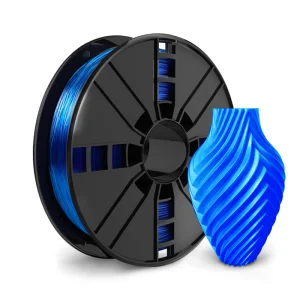
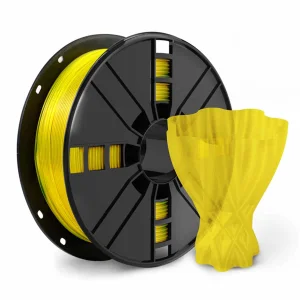
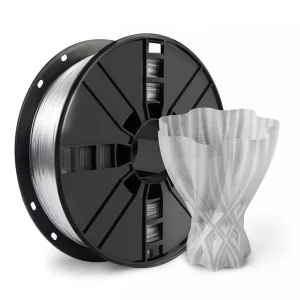
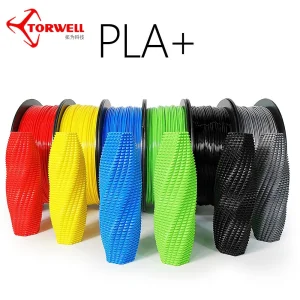
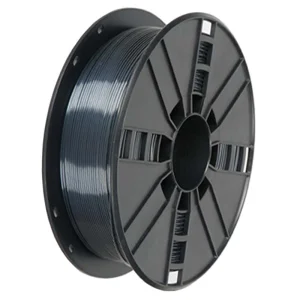
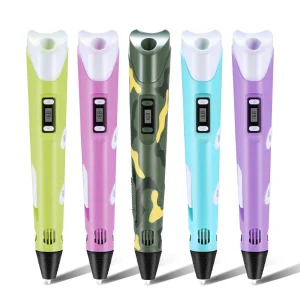
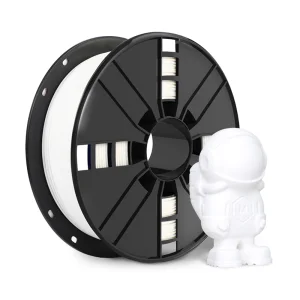

Essential guidance for international sourcing managers, distributors, and brand procurement officers evaluation China PLA filament suppliers.
Diameter variance directly impacts volumetric flow consistency through the printer nozzle. A filament that drifts from 1.75 mm to 1.85 mm delivers 11.8% excess volume, leading to severe over-extrusion, nozzle drag, and surface blobs. Conversely, a drop to 1.65 mm causes under-extrusion, weak layer adhesion, and structural part failure. Maintaining continuous ±0.02 mm inline laser diameter monitoring ensures identical flow rates across multi-day print runs.
PLA resin is hygroscopic and absorbs ambient humidity over time, resulting in hydrolytic degradation during hot nozzle melting (manifested as popping sounds, stringing, and brittle prints). China exporters dry filament down to <200 ppm moisture before spooling, then immediately double-seal each roll inside vacuum-sealed moisture barrier bags containing 10g-15g active silica gel desiccant. Master shipping cartons are additionally lined with heavy-duty PE film to withstand 45-60 days of ocean humidity.
Standard stock color MOQs typically start at 100-300 spools. For custom Pantone or RAL color matching, masterbatch formulation labs require a minimum production run of approximately 500 kg to 1,000 kg (500 to 1,000 spools of 1kg). Color sample matching takes 3 to 5 business days, followed by spectrophotometer verification and physical test print approval before bulk extrusion.
Standard PLA is unmodified pure resin offering high rigidity and crisp detail printing, but low impact resistance. PLA+ (or PLA Pro) incorporates elastomeric modifiers and crystallization promoters that increase Izod impact strength by 3x to 5x. PLA+ also features superior inter-layer bonding strength, reducing brittleness and allowing printed functional parts to withstand mechanical stress without sudden cracking.
Yes. Modern eco-friendly cardboard spools produced by top Chinese suppliers are engineered with high-density compressed paper flanges and polished, dust-free rolled edges. For older multi-material feeding systems (such as Bambu Lab AMS or Prusa MMU3) that rely on rim friction rollers, factory spools are designed with standardized 200mm outer diameters or supplied with snap-on plastic edge rings to ensure smooth rotation without shedding cardboard dust.
International procurement departments should request RoHS test reports (verifying absence of hazardous heavy metals), REACH SVHC screening certificates, and FDA CFR 177.1630 food contact declarations. Furthermore, factories operating under certified ISO 9001:2015 Quality Management and ISO 14001:2015 Environmental Management systems guarantee standardized batch testing, material lot traceability, and safe labor environments.
High-Speed PLA formulations feature enhanced melt flow indices (MFI ~15-25g/10min at 210°C). They support print speeds ranging from 250 mm/s to 600 mm/s with nozzle temperatures set between 210°C and 230°C. High layer cooling fan speeds (80-100%) and heated bed temperatures of 50°C-60°C are recommended for optimal overhang bridges and crisp detail definition.
Standard export packaging packs 12 or 18 spools (1kg each) per master outer carton. A standard 20-foot GP container accommodates approximately 8,000 to 9,000 kg of filament (approx. 450 to 500 master cartons on customized ocean pallets), while a 40-foot HQ container accommodates up to 19,000 to 20,000 kg, maximizing freight cost efficiency per unit weight.