Direct from our 2,500 m² standardized extrusion facility. Monitored with inline multi-axis laser micrometer arrays to guarantee batch consistency and tight dimensional tolerance for critical tooling and production.
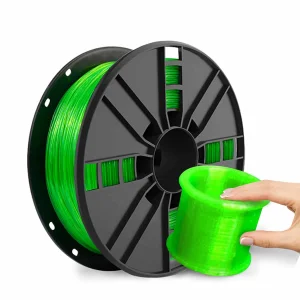
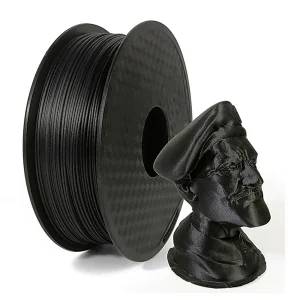
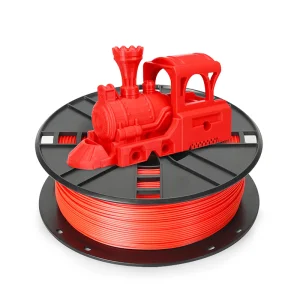
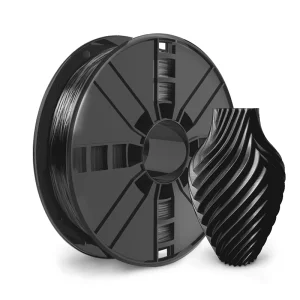
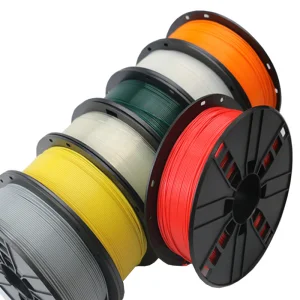
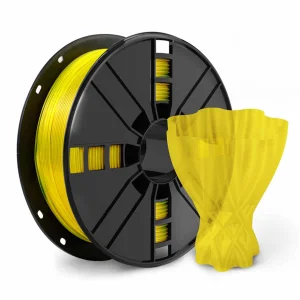
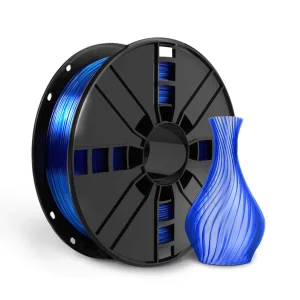
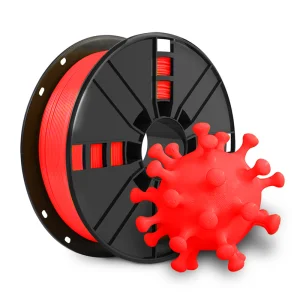
As modern engineering departments replace subtractive aluminum and die-cast alloys with high-modulus polymer composites, carbon fiber reinforced thermoplastics (CFRTP) have become pivotal across commercial aerospace, next-generation electric vehicles, and precision automated robotics.
The micro-mechanical performance of carbon fiber stems entirely from precursor purity and graphitization kinetics. China has unified the upstream petrochemical supply chain, scaling PAN precursors from wet-spinning and dry-jet wet-spinning systems to yield consistent T700 and T800 equivalent continuous strands.
Additive manufacturing requires precise aspect ratios. Unmilled continuous fiber causes nozzle clogging, while overly pulverized dust reduces mechanical reinforcement. Chinese compounding facilities maintain an optimal length distribution (100–250 μm) during melt dispersion.
A composite's strength depends directly on interfacial shear strength (IFSS). Torwell formulations incorporate specialized silane coupling chemistries and proprietary maleic anhydride grafted (MAH-g) compatibilizers, bridging hydrophobic carbon filaments with functional base polymers.
Operational resilience is more than raw output. Torwell Technologies leverages advanced twin-screw co-rotating extrusion compounding, dry-air dehumidification arrays, and rigorous inline inspection protocols to safeguard supply pipelines worldwide.
Polymer matrix degradation occurs when moisture and low-molecular volatile matter remain unvented during extrusion. Torwell's six automated extrusion lines feature quadruple atmospheric and vacuum decompression degasification zones, systematically stripping entrapped air and volatile traces before strands enter the sizing calibrators.
Every meter of composite filament undergoes continuous 360-degree dual-axis laser inspection. Real-time feedback loops instantly trim haul-off capstan drive speeds to prevent ovality drift. Any segment exceeding ±0.02 mm is automatically marked and discarded, ensuring smooth, jam-free feeding in high-speed FDM/FFF extruders.
Carbon fiber matrices, particularly in PETG, PA, and TPU blends, are sensitive to atmospheric moisture. Our packaging protocol uses inline desiccant addition and high-barrier aluminum-laminated or thick co-extruded nylon vacuum pouches, ensuring relative humidity remains below 0.15% across global container shipments.
Comprehensive comparative rheology, tensile mechanics, and recommended print parameters designed for aerospace researchers, additive farm directors, and industrial procurement officers.
| Matrix Class | Reinforcement Type | Tensile Modulus (MPa) | HDT @ 0.45 MPa (°C) | Nozzle Temp (°C) | Bed Temp (°C) | Recommended Industrial Applications |
|---|---|---|---|---|---|---|
| PETG-CF | Milled Pitch/PAN Carbon (15%) | 4,850 ± 150 | 78 | 230 – 260 | 70 – 85 | Protective drone frames, jigs, functional brackets, chemical housings |
| PLA+ Tough | Impact Modification Core-Shell | 3,250 ± 100 | 58 | 200 – 230 | 50 – 65 | Precision consumer prototyping, architectural mockups, rapid casting molds |
| Industrial TPU (95A) | Polyether Block Copolymer | Elongation > 450% | 65 | 210 – 235 | 30 – 60 | Vibration dampers, seals, athletic shoe outsoles, robotics grippers |
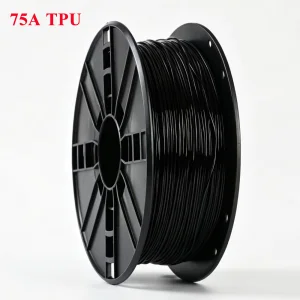
| Ultra-Soft TPU (75A) | Aliphatic Ester Elastomer | Elongation > 600% | 52 | 200 – 225 | 25 – 45 | Biomedical prosthetics, custom orthotics, tactile sensory skin |
| Polycarbonate (PC) | Optical Pure Unfilled | 3,400 ± 120 | 138 | 260 – 300 | 100 – 120 | High-impact automotive housings, electrical switchgear, safety shields |
| ABS Technical | Styrenic Terpolymer | 2,450 ± 90 | 94 | 230 – 265 | 90 – 110 | Automotive dashboard trim, electronics enclosures, tooling master plugs |
Carbon fiber composite filaments bridge the gap between flexible consumer printing and certified industrial additive fabrication. Our global partners deploy these materials in challenging operational environments.
For commercial inspection multirotors and delivery drones, weight reduction directly increases flight duration. PETG-CF composite filament offers high specific stiffness, allowing airframe ribs, motor mounts, and landing gear to withstand torsional acceleration without structural creep.
Traditional machined aluminum assembly jigs are heavy and expensive to produce. Using carbon-fiber filaments, tier-1 automotive suppliers 3D-print customized End-of-Arm Tooling (EOAT), paint masks, and ergonomic hand-held positioning gauges with a 65% reduction in overall mass and a 70% decrease in tooling lead time.
Modern medical engineering demands patient-tailored biomechanics. Combining stiff carbon composite scaffolds with elastomeric 75A/95A TPU interfaces allows technicians to fabricate custom orthotic splints, pediatric prosthetics, and responsive kinetic footplates that combine rigid load support with targeted anatomical cushioning.
Supplying major 3D printing brands, regional distributors, and additive print farms requires strict adherence to international safety directives and consistent batch records.
All virgin resins, carbon precursors, plasticizers, and colorants undergo strict spectrometer testing for hazardous substances. Full conformity declarations (RoHS 2011/65/EU and REACH Regulation EC 1907/2006) and standardized Safety Data Sheets (SDS) are provided with every industrial batch.
Our in-house analytical laboratory utilizes high-precision spectrophotometers to match target Pantone, RAL, or customer-provided physical plastic samples. We guarantee an average color deviation ΔE < 0.8 across distinct production runs, ensuring consistent corporate brand palettes.
To reduce plastic waste on industrial print farms, Torwell provides eco-friendly recycled kraft cardboard spools, modular masterspools, and high-volume 3 kg, 5 kg, and 10 kg spools with calibrated winding tension to prevent print-halting crossovers in automated feed systems (such as AMS or multi-material switches).
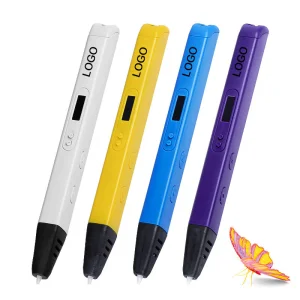
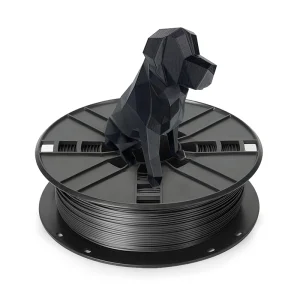
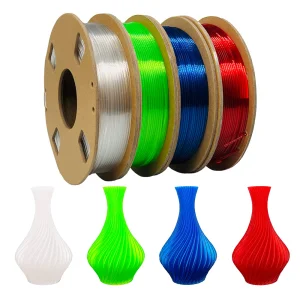
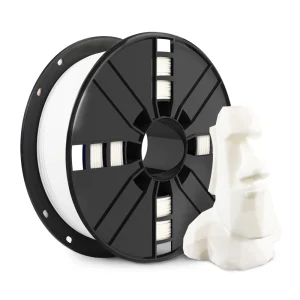
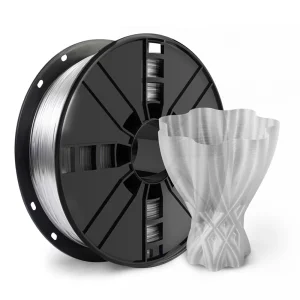
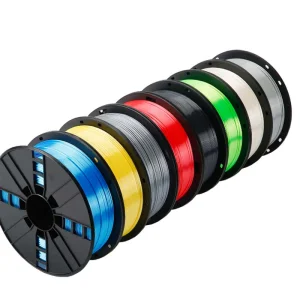
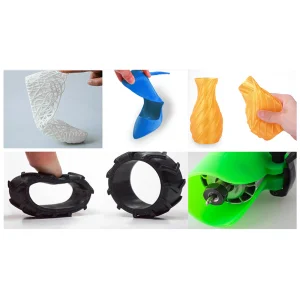
Complementary polymers, ultra-soft elastomeric formulations, aesthetic silk polymers, and educational prototyping equipment manufactured under the same strict ±0.02 mm tolerance standards.
Clear, engineer-level answers addressing technical specifications, printer hardware requirements, minimum order quantities, and international logistics protocols.
Because carbon micro-fibers are abrasive, standard brass nozzles can suffer bore enlargement within 200–500 grams of extrusion, degrading dimensional accuracy. We recommend hardened tool steel, ruby-tipped, or tungsten carbide nozzles (minimum 0.4 mm, with 0.6 mm preferred for chopped composite blends) to avoid micro-clogs and maintain consistent extrusion profiles.
Adding 15–20% high-modulus chopped carbon fiber increases tensile modulus by over 40% and raises the heat deflection temperature (HDT) to approximately 78°C. Crucially, the fiber content dampens shrinkage stress, delivering near-zero warping on large flat surfaces and producing a clean, matte textured surface finish that conceals layer lines.
Extrusion lines at Torwell use closed-loop feedback linking dual-axis laser scanning micrometers directly to haul-off servo drives. Measurements occur at 1,000 Hz. If diameter drift approaches ±0.015 mm, the servo instantly adjusts draw tension, keeping the finished spools strictly within ±0.02 mm specifications.
For standard catalog colors, our MOQ starts at 50 to 100 kg. For custom Pantone color matching, private-label spool molding, or specialized carbon-loading formulations, the standard threshold is 300 to 500 kg per SKU. We supply comprehensive digital label templates, custom packaging boxes, and complete technical documentation.
While our filaments are dried and vacuum-sealed with active silica gel desiccant, long storage or exposure to humidity may introduce ambient moisture. We recommend drying PETG-CF at 65°C for 4–6 hours, and high-temperature polymers like PC or PA at 80–90°C for 8 hours in a circulating convection oven or dedicated dry box prior to printing.
By sourcing high-purity PAN raw polymers, carbonization energy, and core polymer matrices (such as high-flow PETG, ABS, and polycaprolactone) within regional industrial supply clusters, Torwell mitigates the shipping overheads and supply interruptions common to dispersed manufacturing networks, keeping export pricing stable.