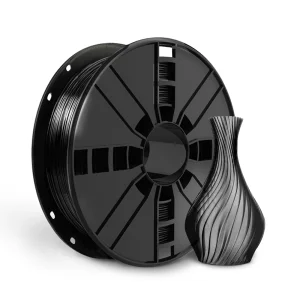
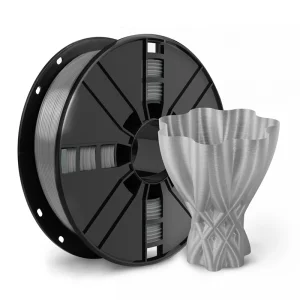
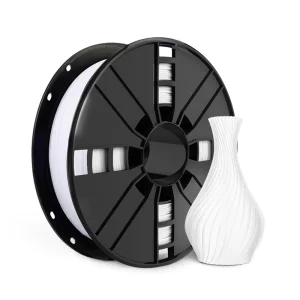
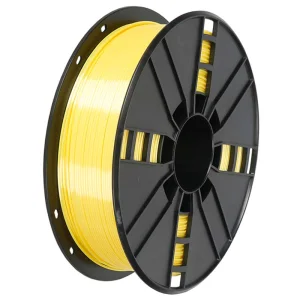
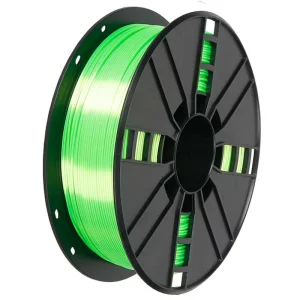
The Definitive B2B Benchmark on High-Precision Polylactic Acid (PLA) 3D Filament Manufacturing, Polymer Chemical Modification, and Global Supply Chain Scaling
Precision-extruded spools with quad-axis laser diameter monitoring (±0.02mm tolerance) engineered for high-speed FDM printers, enterprise print farms, and OEM/ODM private brand distributors globally.
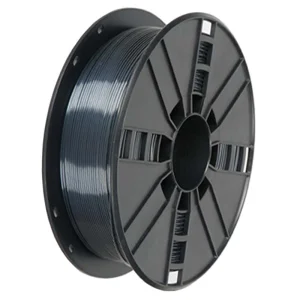
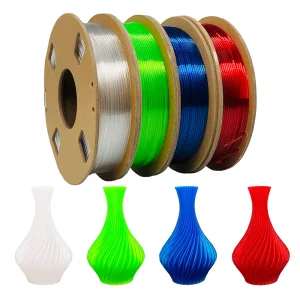
Understanding why China's polymer manufacturing ecosystem dominates over 85% of global FDM 3D printer filament supply.
The global additive manufacturing ecosystem has reached a vital inflection point. Polylactic Acid (PLA)—a bio-based thermoplastic derived from fermented plant starch such as corn or sugarcane—has transformed from an educational novelty into an industrial-grade rapid prototyping workhorse. Within this macro supply framework, identifying China's best PLA manufacturers and factories is no longer just about seeking low unit costs; it is a strategic supply chain imperative centered on material science formulation, real-time extrusion tolerance control, and batch-to-batch chemical stability.
China's centralized manufacturing clusters in Guangdong (such as Shenzhen and Dongguan) and Zhejiang combine vertically integrated polymer resin synthesis, color masterbatch compound engineering, and advanced precision extrusion lines. Leading Chinese factories import prime-grade raw lactide resins from global leaders like NatureWorks (Ingeo) and TotalEnergies Corbion, compounding them with specialized impact modifiers, nucleating agents, and slip additives. This synthesis generates customized PLA formulations specifically tuned for modern, ultra-high-speed CoreXY 3D printers operating at speeds exceeding 300 mm/s to 600 mm/s.
For international distributors, enterprise print farm operators, and private label brand owners, partnering with premier Chinese PLA manufacturers provides unparalleled economies of scale. High-capacity factories running 6 to 20 continuous automated twin-screw extrusion lines can yield upwards of 60,000 kg of finished spools monthly. This operational density guarantees rapid turnarounds for full-container-load (FCL) orders while enforcing strict adherence to international environmental protocols including RoHS, REACH, CE, and FDA food-contact compliant raw material grades.
Exploring the polymer physics, crystallization kinetics, and modification chemistries that separate tier-1 PLA factories from standard market vendors.
Traditional PLA suffers from narrow thermal processing windows and slow crystallization. High-Speed PLA incorporates low-viscosity polymer modifiers and rapid nucleating agents, reducing thermal melt viscosity and enabling swift solidification under layer-cooling fans at 500+ mm/s without layer delamination.
Standard PLA is inherently brittle with an Izod impact strength of ~2.5 kJ/m². Top Chinese factories synthesize PLA+ by compounding elastomeric core-shell modifiers or ductile polymers (like PBAT or acrylate elastomers), elevating impact strength up to 8–10 kJ/m² while maintaining original printability.
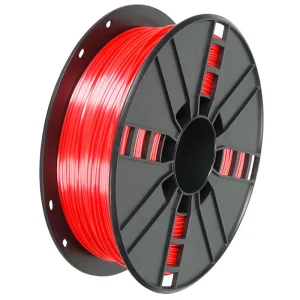
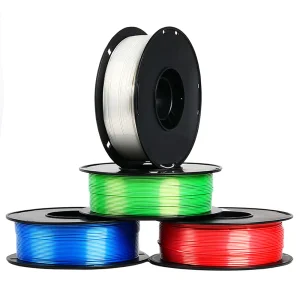
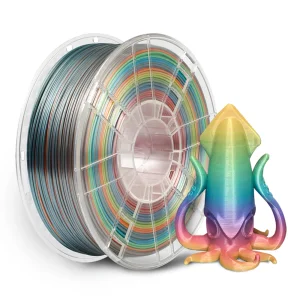
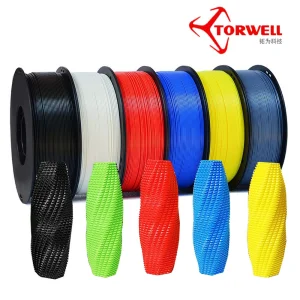
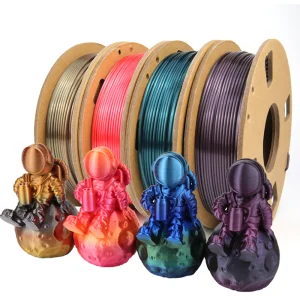
Silk PLA utilizes polyester-based elastomers blended with micronized mica or pearlescent optical pigments. Advanced multi-color co-extrusion technology splits the polymer stream inside the crosshead die, producing dichromic or trichromic filaments that transition colors dynamically during rotation.
| Filament Grade | Melt Flow Index (MFI) | Tensile Strength | Impact Strength | Deflection Temp (HDT) | Primary Application Area |
|---|---|---|---|---|---|
| Standard Pure PLA | 7–10 g/10min (210°C/2.16kg) | 60–65 MPa | 2.5–3.2 kJ/m² | 55°C | Visual Prototypes |
| High-Speed PLA (HS-PLA) | 14–22 g/10min (210°C/2.16kg) | 58–62 MPa | 3.5–4.5 kJ/m² | 53°C | Fast Print Farms |
| Toughened PLA+ | 5–8 g/10min (210°C/2.16kg) | 52–58 MPa | 8.0–12.0 kJ/m² | 58°C | Functional Fixtures |
| Silk / Pearl PLA | 9–12 g/10min (210°C/2.16kg) | 45–50 MPa | 4.0–5.5 kJ/m² | 52°C | Cosplay & Aesthetics |
| Carbon Fiber PLA (CF-PLA) | 4–7 g/10min (210°C/2.16kg) | 75–85 MPa | 5.0–6.5 kJ/m² | 68°C (Post-Annealed) | Aerospace & Drone Parts |
How Chinese PLA OEM supply chains empower global businesses across manufacturing, healthcare, design, and retail consumer sectors.
Engineers utilize high-dimensional-stability PLA to fabricate full-scale concept dashboards, engine bay layout checks, and assembly line positioning jigs. Low warpage ensures multi-part assemblies interlock with sub-millimeter precision.
Using medical DICOM CT scans, hospitals print patient-specific bone structures, organ topographies, and pre-surgical rehearsal models using non-toxic, biocompatible PLA grades certified under ISO 10993 standards.
As single-use plastics face stringent global restrictions, customized biodegradable PLA containers, cosmetic caps, and sustainable point-of-sale displays offer commercial brands a 100% industrial-compostable packaging alternative.
Industrial print farms managing hundreds of automated 3D printers simultaneously face severe operational costs when dealing with spool tangling, nozzle friction, or diameter fluctuations. Leading Chinese PLA suppliers resolve these pain points through neat-layer precise automated winding systems coupled with inline optical sensors. By enforcing uniform spool tension and zero-crossover layer geometry, printer uptime is increased from 82% to over 98.5%, significantly reducing manual labor interventions.
A step-by-step audit protocol for international buyers inspecting Chinese PLA filament factories.
Verify that the factory utilizes dual-axis or quad-axis laser measuring gauges positioned after cooling troughs. Top manufacturers record real-time diameter logs linked to automated alarm triggers that reject out-of-spec sections (>±0.02mm).
Raw PLA resin is highly hygroscopic. Extrusion must be preceded by desiccated hopper drying below 60°C for 4–6 hours to lower moisture content under 200 ppm. Post-extrusion vacuum sealing with active desiccant packs is mandatory.
Ensure the facility conducts spectrophotometer CIELAB color-space testing for every batch. This guarantees that re-ordered spools matching specific Pantone codes maintain identical color hue and opacity over multi-year production runs.
Anticipating the technological disruptions that will reshape the PLA manufacturing landscape over the coming decade.
As the global additive manufacturing market trends toward sustainable industrial production, Chinese PLA manufacturers are investing heavily in next-generation material science innovations:
Addressing technical, procurement, logistics, and quality assurance queries commonly raised by international sourcing managers.
Expand your brand's market reach with premium PETG, Silk Rainbow, high-impact ABS, and specialty high-gloss aesthetic series.