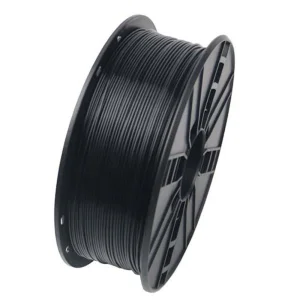
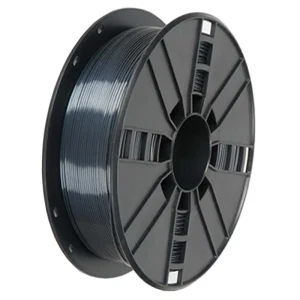
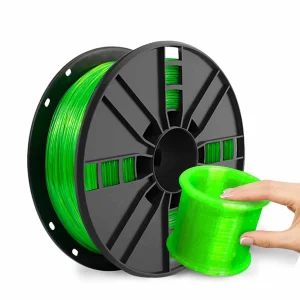
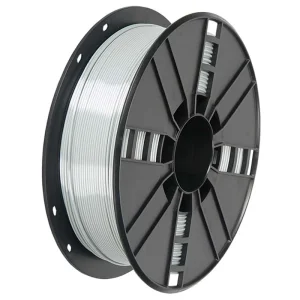
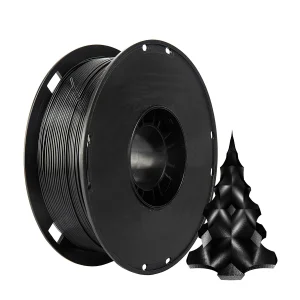
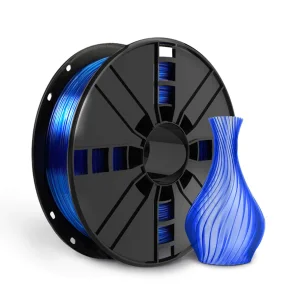
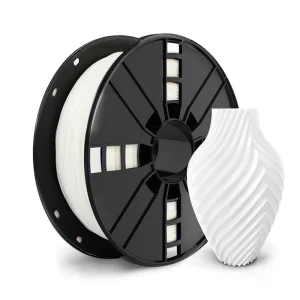
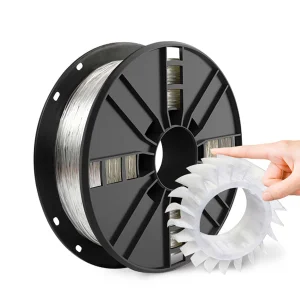
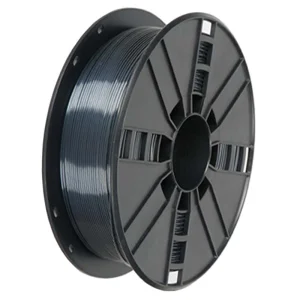
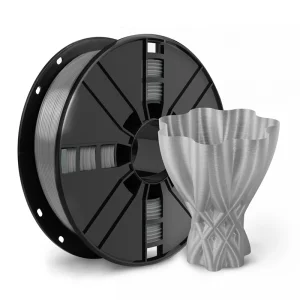
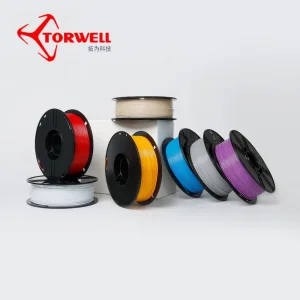
China ASA Filament Manufacturer & Factory for New Zealand Market
Engineering-grade UV-stable 3D printer filaments optimized for New Zealand's severe solar index, coastal marine environments, agritech infrastructure, and high-speed industrial additive manufacturing systems.
Direct-factory technical polymer materials extruded with ±0.02 mm laser-monitored precision for seamless deployment across New Zealand print farms and industrial enterprises.
Industrial White Paper: ASA Polymer Performance in New Zealand’s Environment
Analyzing the chemistry, weatherability dynamics, and supply chain logistics of Acrylonitrile Styrene Acrylate for commercial entities across Auckland, Wellington, Christchurch, and regional NZ.
1. The New Zealand Solar & Atmospheric Challenge
New Zealand presents one of the most demanding outdoor operating environments in the world for synthetic polymers. Due to a combination of ultra-clean maritime air, low atmospheric ozone concentrations, and the earth's closer orbital proximity to the sun during the Southern Hemisphere summer, New Zealand experiences solar Ultraviolet Radiation (UV) levels up to 40% higher than equivalent latitudes in Europe or North America. Peak summer UV Index readings routinely exceed 12 to 14 across the North and South Islands.
When conventional 3D printing polymers such as standard ABS (Acrylonitrile Butadiene Styrene) or PETG are deployed outdoors in New Zealand—whether for marine fittings in Auckland, smart agricultural sensors in the Waikato, or solar mounting brackets in Marlborough—they undergo rapid photo-oxidation. The double bonds within the polybutadiene rubber phase of ABS act as solar energy absorbers, triggering polymer chain scission, micro-cracking, discoloration (yellowing), and severe embrittlement within 6 to 12 months of direct exposure.
Key Engineering Takeaway: Standard ABS fails prematurely in New Zealand because UV radiation attacks its butadiene rubber backbone. ASA (Acrylonitrile Styrene Acrylate) replaces butadiene with a UV-resistant acrylic ester rubber matrix, delivering up to 10x longer exterior lifespan without mechanical degradation.
2. Chemistry Breakdown: Why ASA is the Superior Material Choice
ASA is a terpolymer created by graft-copolymerizing Acrylonitrile, Styrene, and an Acrylic Ester elastomer matrix. The chemical structure endows the material with three crucial properties:
Acrylonitrile: Provides chemical resistance against environmental pollutants, coastal salt spray, oils, and thermal stability (Heat Deflection Temperature up to 95–100°C).
Styrene: Grants surface hardness, rigidity, processability, and sleek aesthetic finish.
Acrylic Ester Elastomer: Replaces butadiene rubber to serve as an elastomer matrix that resists UV-A and UV-B photon absorption, eliminating photo-oxidative breakdown under intense sunlight.
Polymer Type
UV Stability Index
Heat Deflection Temp (HDT)
Tensile Strength (MPa)
Impact Strength (kJ/m²)
Salt Spray & Marine Resistance
Torwell Industrial ASA
Outstanding (5,000+ Hrs UV-B)
98 °C
45 - 50 MPa
22 - 25 kJ/m²
Excellent (Unaffected)
Standard Outdoor ABS
Poor (Yellows / Cracks <1 Year)
95 °C
40 - 45 MPa
18 - 20 kJ/m²
Moderate (Degraded by UV)
PETG Engineering
Moderate (3-5 Years UV Life)
72 °C
48 - 52 MPa
8 - 10 kJ/m²
Good (Hydrolytic Sensitive)
PLA / PLA+ Modified
Very Low (Thermal Warping)
55 °C
55 - 65 MPa
5 - 7 kJ/m²
Poor (Biodegrades outdoors)
Polycarbonate (PC)
Moderate (Requires UV coating)
135 °C
60 - 70 MPa
45 - 50 kJ/m²
Good (Hygroscopic warp)
Localized New Zealand Commercial & Industrial Applications
Custom 3D printed components engineered with Torwell ASA filaments are actively modernizing key sectors of the New Zealand economy.
Auckland’s marine manufacturing cluster relies on ASA for printing custom yacht deck latches, marine radar bracket shims, GPS antenna housings, and coastal weather station sensor enclosures capable of enduring salt spray and fierce UV rays.
Agritech & Smart Farming Systems (Waikato & Canterbury)
NZ’s dairy and agricultural technology leaders utilize Torwell ASA to produce solar irrigation controller covers, automated fence monitoring sensor boxes, drone crop-inspection housings, and livestock telemetry gear exposed to field conditions.
Architecture & Green Energy (Wellington & Christchurch)
From custom solar panel mounting brackets and HVAC duct caps to exterior building facade fixtures, architects and structural engineers choose ASA for weather-proof end-use installation parts that won't warp under summer heat.
China Factory Supply Chain Resilience & Torwell Efficiency Advantages
How Torwell Technologies leverages advanced automation, rigorous quality control, and optimized logistics corridors to serve New Zealand distributors, OEM brands, and high-volume print farms.
Torwell Technologies Co., Ltd., established in 2011, operates a 2,500 m² modern manufacturing facility equipped with 6 fully automated high-speed extrusion lines. For over a decade, we have perfected the processing parameters of complex engineering thermoplastics, solving common market issues such as diameter drift, moisture degradation, internal voids, and spool tangles.
Strict Inline Laser Micrometer Quality Control
Every spool of Torwell ASA, PETG, TPU, and PLA filament undergoes continuous dual-axis laser diameter monitoring during extrusion. Our closed-loop system measures the strand at a rate of 500 times per second, automatically adjusting puller speed to maintain an ultra-tight target tolerance of ±0.02 mm. Spools that exceed tolerance thresholds are automatically flagged and rejected by our inline QC system.
Vacuum Packaging & Moisture Mitigation
ASA and engineering polymers are naturally hygroscopic. Absorbed atmospheric moisture leads to steam bubbles, stringing, poor layer adhesion, and surface roughness during printing. Torwell enforces multi-stage raw material desiccant drying down to moisture levels under 0.05% before extrusion. Immediately after winding, each spool is vacuum sealed with high-capacity silica gel in heavy-duty multi-layer foil bags, ensuring fresh performance upon arrival at ports in Auckland, Tauranga, or Lyttelton.
Logistics Efficiency & Express Shipping Routes to New Zealand
Our strategic proximity to Shenzhen and Guangzhou international shipping hubs allows us to streamline freight to New Zealand:
Direct Ocean Freight (FCL / LCL): Transit times of 14 to 18 days from South China ports to Port of Auckland, Port of Tauranga, and Lyttelton Port. Ideal for volume distributors and retail brands.
Air Freight & Express Corridors: 3 to 5-day delivery via DHL/FedEx/SF Express for rapid prototyping samples and urgent production run fulfillments.
Customs & HS Code Support: Full documentation compliance (HS Code 391690 for 3D printer monofilaments) with complete technical datasheets (TDS) and safety datasheets (SDS/MSDS) formatted for New Zealand customs clearance.
Technological Roadmap & Future Polymer Outlook (2025–2030)
Torwell R&D is pushing the boundaries of additive manufacturing materials to meet the next decade's industrial demands in Australasia.
1. High-Speed ASA (HS-ASA) for 300+ mm/s Printing
With the rapid adoption of high-speed CoreXY 3D printers (such as Bambu Lab X1/P1S, Creality K1 series, and Voron 2.4 systems) in New Zealand print farms, Torwell is introducing rheology-modified ASA formulations. These deliver volumetric flow rates exceeding 24 mm³/s without triggering layer delamination or surface dulling.
2. Carbon Fiber Reinforced ASA (ASA-CF15)
Integrating 15% high-modulus chopped carbon fibers into the ASA matrix increases flexural modulus while maintaining UV stability. ASA-CF offers near-zero thermal expansion, matte carbon-black aesthetics, and supreme dimensional stability for structural outdoor drone frames and motorsport components.
3. Flame Retardant UL94-V0 Grade ASA
Engineered specifically for electrical grid infrastructure, EV charging stations, and public utility enclosures, our upcoming UL94 V-0 compliant ASA prevents flammability hazards under electrical short-circuits while providing exterior weather protection.
4. Sustainable Mass-Balanced Bio-ASA
Aligned with New Zealand's stringent environmental ESG goals, Torwell is developing mass-balanced bio-attributed monomer options that reduce carbon footprint during raw material synthesis without compromising outdoor mechanical life.
Localized Support & International Compliance
Partner with a trusted China supplier providing complete regulatory peace of mind for New Zealand imports.
ISO 9001:2015 Manufacturing
Certified factory quality management system ensuring batch-to-batch color stability, consistent melt-flow index, and uniform physical properties.
RoHS 3 & REACH Certified
100% compliant with EU RoHS and REACH SVHC environmental safety standards, guaranteeing non-toxic, heavy-metal-free raw materials.
OEM & Private Label Services
Full customization: custom Pantone color matching, private label spool branding, eco-cardboard spools, custom packaging boxes, and tailored TDS/MSDS for your brand.
Direct answers for New Zealand buyers, print farm operators, and wholesale distributors considering Torwell ASA filaments.
How does ASA compare to PETG for outdoor use in New Zealand?
While PETG offers good impact strength and ease of printing, it degrades under prolonged high-intensity UV exposure and softens at approximately 70–72°C. In contrast, Torwell ASA withstands 5,000+ hours of accelerated UV testing without brittleness or yellowing, and features a higher Heat Deflection Temperature (HDT) of 98°C. For parts exposed to direct NZ sunlight inside hot vehicles or mounted on dark exterior surfaces, ASA is far more durable.
What are the recommended 3D printing settings for Torwell ASA?
For optimal layer adhesion and minimal warping, we recommend the following baseline parameters:
• Nozzle Temperature: 240°C – 260°C
• Heated Bed Temperature: 90°C – 110°C
• Enclosure Temperature: 40°C – 60°C (recommended for large structural parts)
• Part Cooling Fan: 0% to 20% (low fan speeds maximize inter-layer weld strength)
• Build Surface: Textured PEI sheet with adhesive glue stick or liquid bed adhesive.
Does Torwell offer custom color matching and OEM private labeling for NZ brands?
Yes. We provide comprehensive OEM/ODM solutions. We can match custom brand colors based on Pantone codes or physical color samples. We offer custom-printed spool labels, branded cardboard or plastic spools, custom retail boxes, and user manual inserts tailored to your brand identity in the New Zealand market.
What is the Minimum Order Quantity (MOQ) and lead time for shipments to NZ?
Standard stock colors (Black, White, Grey, Natural) have flexible MOQs starting from 100 kg. For custom OEM packaging or specialized colors, standard MOQs are typically 300 to 500 kg per SKU. Factory production lead time is generally 10 to 14 business days, with ocean transit to New Zealand ports taking approximately 14 to 18 days.
How are spools packaged to prevent moisture damage during sea freight transit?
All filament spools are thoroughly desiccant-dried prior to spooling. Each spool is then vacuum sealed inside an airtight multi-layer barrier foil bag containing a fresh silica desiccant pack. Vacuum bags are packed in sturdy corrugated individual cartons, bundled in master export boxes, and palletized with stretch film wrapping for ocean shipping.
Can Torwell ASA be printed on open-frame 3D printers?
Small ASA parts (under 50 mm in size) can be successfully printed on open-frame machines using a draught shield and brim. However, because ASA undergoes thermal shrinkage similar to ABS, medium to large functional parts require an enclosed printing chamber to maintain an ambient temperature of 40–60°C and prevent corner warping.
Are technical data sheets (TDS) and safety data sheets (SDS) provided?
Yes. We supply fully detailed Technical Data Sheets (TDS) outlining tensile strength, flexural modulus, HDT, density, and impact resistance, alongside official Safety Data Sheets (SDS/MSDS) compliant with GHS standards for New Zealand workplace safety compliance.
What spool sizes and diameters are available?
Standard production includes 1.75 mm diameter filaments (with 2.85 mm available on request). We supply standard 1 kg spools, as well as 250 g sample spools, 3 kg industrial spools, and 5 kg print farm spools.
Request Factory Direct Wholesale Pricing & OEM Samples
Partner directly with China's leading 3D printer filament factory. Fast ocean and air shipping corridors established for Auckland, Wellington, Christchurch, and regional New Zealand distributors.