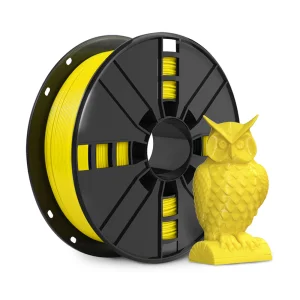
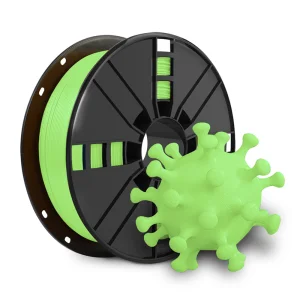
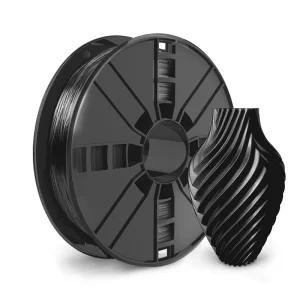
Factory-direct high-performance filaments formulated for high-speed additive manufacturing systems, print farms, and consumer packaging.
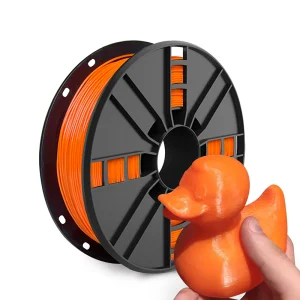
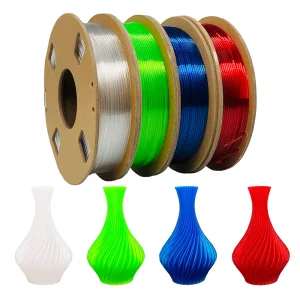
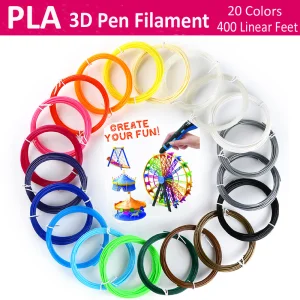
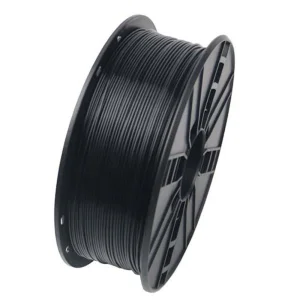
Additive manufacturing is undergoing a paradigm shift from rapid prototyping to mass industrial production. Procuring high-consistency 3D printer filament is now a vital supply chain competency for global distributors, brands, and automated print farms.
The global 3D printing filament market is expanding at a Compound Annual Growth Rate (CAGR) exceeding 21.4%, driven by technological breakthroughs in high-speed Fused Deposition Modeling (FDM) / Fused Filament Fabrication (FFF) hardware. Modern 3D printers, such as CoreXY linear-rail systems, operate at volumetric flow rates upwards of 30 mm³/s and print velocities from 300 mm/s to over 600 mm/s. This hardware acceleration demands exceptional thermal stability, tight polymer viscosity tolerances, and absolute diameter uniformity from thermoplastic raw materials.
Historically, procurement managers faced severe friction when sourcing wholesale 3D printer filaments: diameter variation causing nozzle clogs, poor layer adhesion, batch-to-batch color shifts, and moisture contamination during ocean transits. Torwell Technologies Co., Ltd. (established in 2011) systematically resolves these supply chain vulnerabilities. Operating a 2,500 m² standardized manufacturing facility equipped with 6 automated extrusion lines, Torwell integrates raw material rheology control, continuous laser gauging, and automated neat-winding systems to supply OEM brands and industrial procurement networks across 75+ countries.
Transitioning from hobbyist printing to automated print farms running 24/7 requires filaments engineered for high print speed, minimal stringing, and low warpage across multi-day print jobs.
Enterprise buyers demand verified mechanical metrics: tensile strength, flexural modulus, Izod impact resistance, and continuous inline laser diameter monitoring to ±0.02 mm.
Full batch traceability from virgin polymer pellet synthesis to vacuum-sealed moisture-impermeable consumer packaging, complying with RoHS, REACH, and FDA specifications.
China’s industrial ecosystem provides an unparalleled advantage in synthetic polymer formulation, hardware co-development, and high-volume extrusion production.
The concentration of primary polymer synthesis plants, masterbatch formulation labs, and high-speed CNC component factories in China creates a dynamic feedback loop. Torwell Technologies leverages this geographic synergy to source premium virgin resins (such as NatureWorks Ingeo PLA, LG ABS, and BASF TPU raw materials) at optimized costs, passing structural economic savings directly to international enterprise buyers.
Manufacturing 3D printer filament is far more complex than simple plastic extrusion. It requires balancing melt flow index (MFI), melt temperature, water bath cooling gradients, tension-controlled spooling, and real-time ovality feedback. Torwell’s 6 fully automated extrusion lines utilize dual-axis laser micrometers that scan the filament diameter 1,000 times per second. If the extruded strand strays beyond ±0.02 mm, automated puller speed controllers instantly adjust processing parameters, rejecting out-of-spec sections before spooling.
Selecting the ideal thermoplastic material requires analyzing mechanical strength, thermal deflection, chemical resistance, and printability dynamics.
| Filament Type | Nozzle Temp (°C) | Bed Temp (°C) | Tensile Strength (MPa) | Heat Deflection (HDT @0.45MPa) | Key Industrial Characteristics |
|---|---|---|---|---|---|
| PLA / PLA+ | 190 – 220 | 0 – 60 | 55 – 65 | 55 °C | Low warping, bio-based, high tensile stiffness, ideal for fast printing & consumer models. |
| PETG | 230 – 250 | 70 – 80 | 45 – 50 | 70 °C | High impact toughness, hydrophobic, chemical & glycol resistance, food-contact safe potential. |
| ABS | 230 – 260 | 90 – 110 | 40 – 45 | 85 °C | Superior impact resistance, post-processable (acetone smoothing), durable structural parts. |
| ASA | 240 – 260 | 90 – 110 | 42 – 48 | 95 °C | Exceptional UV stability, weather resistance, outdoor fixture longevity without yellowing. |
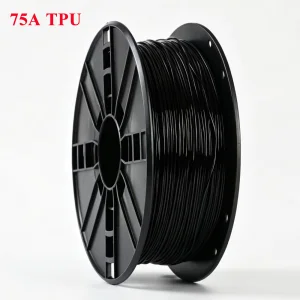
| TPU (95A / 75A) | 210 – 235 | 30 – 60 | 35 – 45 | N/A (Elastomer) | High flexibility, tear resistance, oil/grease resistance, shore hardness range 75A to 95A. |
| PC (Polycarbonate) | 260 – 300 | 100 – 120 | 65 – 75 | 135 °C | Extreme mechanical strength, optical transparency, flame retardance, high thermal endurance. |
| Carbon Fiber Composite | 240 – 280 | 70 – 100 | 75 – 110 | 120 °C + | High stiffness-to-weight ratio, matte surface finish, low shrinkage, engineered for aerospace & RC. |
Polylactic Acid (PLA & PLA+): Manufactured from fermented plant starch (corn or sugarcane), PLA is the flagship material for commercial 3D printing. Torwell’s modified PLA+ incorporates organic impact modifiers that elevate Charpy impact strength by 300% compared to raw PLA pellets, mitigating brittleness while maintaining zero-warpage print stability.
Polyethylene Terephthalate Glycol-Modified (PETG): By inserting cyclohexane dimethanol into the polymer backbone, PETG eliminates the crystallization phase that renders standard PET brittle. Torwell PETG combines the printing ease of PLA with the structural resilience of ABS, offering superior layer-to-layer adhesion (z-axis strength) and water impermeability.
Thermoplastic Polyurethane (TPU 95A / 75A): Flexible filaments require precise durometer formulation. Torwell TPU features clean melt elasticity, allowing smooth feeding through direct-drive extruders without buckling or tangling inside PTFE guide tubes.
Acrylonitrile Styrene Acrylate (ASA): ASA replaces butadiene rubber (found in ABS) with acrylic ester rubber. This chemical structural refinement imparts permanent UV stability, preventing yellowing, embrittlement, and micro-cracking when parts are exposed to sunlight, rain, and outdoor environmental stress.
Tailor-made manufacturing solutions for brand owners, regional master distributors, Amazon FBA power-sellers, and industrial equipment manufacturers.
Torwell matches custom Pantone, RAL, or physical color samples with 99.5% chromatic accuracy. Our lab utilizes spectrophotometers to ensure precise batch-to-batch consistency across thousands of spools.
We supply custom-printed outer boxes, specialized spool sticker branding, customized user manual leaflets, barcode/FNSKU labeling, and moisture-proof vacuum sealing with high-capacity silica gel desiccants.
Options for eco-friendly cardboard spools (100% recyclable), high-heat resistant ABS spools, clear polycarbonate spools, weight variants (250g, 500g, 1kg, 3kg, 5kg, 10kg), and RFID chip installation for automatic material recognition systems.
Every shipment comes with Technical Data Sheets (TDS), Safety Data Sheets (SDS), RoHS compliance certificates, REACH registration documentation, and certified Food Contact statements where applicable.
From medical orthotics to functional automotive components, Torwell filaments power diverse commercial sectors worldwide.
Engineers utilize Torwell Carbon Fiber and ASA filaments to print lightweight airflow ducts, engine bay covers, checking fixtures, and custom dashboard components capable of withstanding high thermal deformation and mechanical stress.
Biocompatible PETG and flexible TPU grades (Shore 75A to 95A) enable medical laboratories to rapidly fabricate custom prosthetic socket liners, orthopedic insoles, surgical training models, and protective equipment components.
Commercial 3D printing services running hundreds of machines depend on Torwell PLA+ and Silk PLA for low-maintenance, high-speed output with smooth layer lines, zero nozzle clogging, and effortless support removal.
Anticipating material engineering shifts to keep wholesale distributors ahead of market trends.
The 3D printing ecosystem is evolving toward ultra-high-speed extrusion (accelerations exceeding 20,000 mm/s²). Standard filaments often exhibit melt fracture, under-extrusion, or poor layer bonding under high shear strain. Torwell’s continuous R&D is developing specialized polymer blends optimized for high melt flow index (MFI) and rapid crystallization kinetics, enabling high-speed printing without compromising mechanical strength.
Simultaneously, environmental regulations are driving demand for sustainable solutions. Torwell is expanding its bio-degradable polymer lines, post-industrial recycled PLA/PETG formulations, and plastic-free cardboard spool designs to meet stringent European environmental policies and corporate ESG goals.
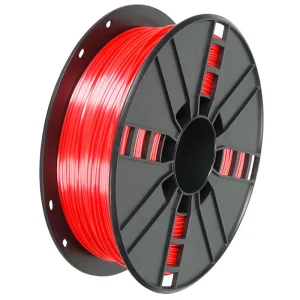
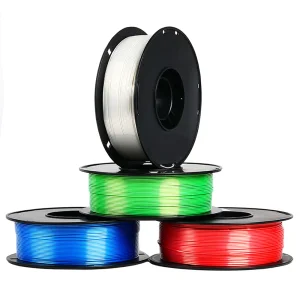
Explore high-gloss silk aesthetics, high-flexibility elastomeric grades, and engineering ABS materials.
Key operational answers for B2B buyers, distributors, and manufacturing partners.