Industry White Paper & Sourcing Guide

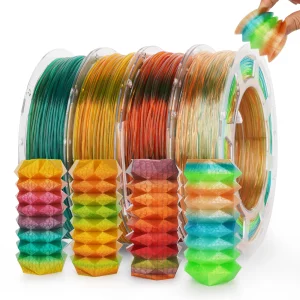
China Rainbow TPU Manufacturers & Factories

A comprehensive B2B technical benchmark on elastomeric material co-extrusion, supply chain dynamics, precision Shore hardness engineering, and global enterprise procurement strategies.

Primary Product Showcase

High-Performance Rainbow TPU & Polymer Portfolio

Directly extruded and quality-certified materials engineered for additive manufacturing scale.
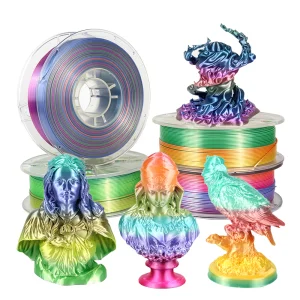
China Silk Shiny Fast Color Gradient Change Rainbow Multicolored 3D Printer PLA Filament
China Silk Shiny Fast Color Gradient Change Rainbow Multicolored 3D Printer PLA Filament Supplier, Factory
View Product Details
Wholesale Silk PLA 3D Filament With Shining Surface
Wholesale Silk PLA 3D Filament With Shining Surface, 1.75mm 1KG/Spool Manufacturer, Supplier
View Product Details
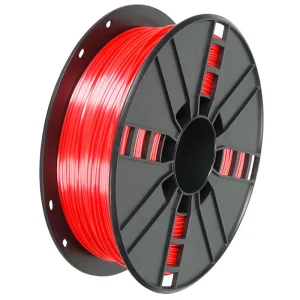
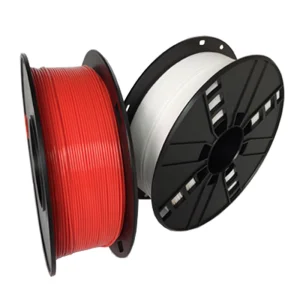
Wholesale Silk Red PLA 3D Printer Filament
Wholesale Silk Red PLA 3D Printer Filament 1KG 3D Printing Materials Manufacturer, Factories
View Product Details
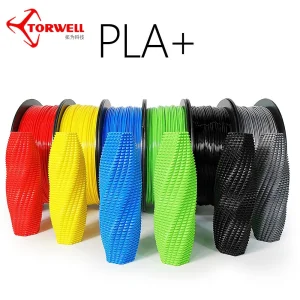
Wholesale Torwell PLA PLUS Pro Filament
Wholesale Torwell PLA PLUS Pro (PLA+) Filament with high strength, 1.75mm 2.85mm 1kg spool Supplier, Factories
View Product Details
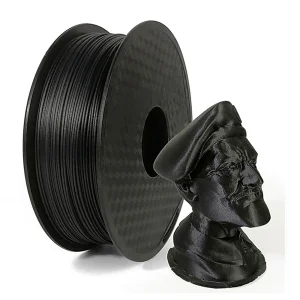
Wholesale PETG Carbon Fiber 3D Printer Filament
Wholesale PETG Carbon Fiber 3D Printer Filament, 1.75mm 800g/spool Manufacturers, Supplier
View Product Details
China ABS Filament for 3D printing
China ABS Filament for 3D prinitng 3D printing materials Factory, Factories
View Product Details
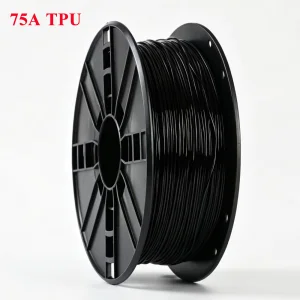
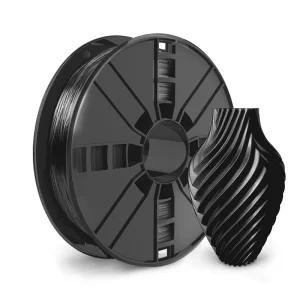
Wholesale TPU 3D filament 1.75mm 1kg Black
Wholesale TPU 3D filament 1.75mm 1kg Black Supplier, Suppliers
View Product Details
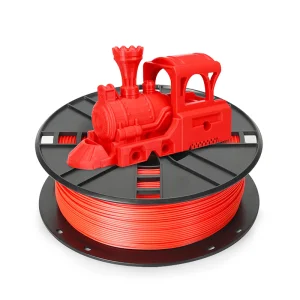
Wholesale PLA plus Red PLA filament
Wholesale PLA plus Red PLA filament 3D printing materials Manufacturer, Factory
View Product Details
Material Science & Global Demand

1. The Global & Industrial Landscape of Rainbow TPU Materials

Understanding the transition from aesthetic novelty to structural, elastic additive manufacturing applications.

Thermoplastic Polyurethane (TPU) represents a unique class of block copolymers consisting of alternating hard and soft segments. Unlike traditional rigid polymers like Polylactic Acid (PLA) or Acrylonitrile Butadiene Styrene (ABS), TPU provides exceptional elastomeric resilience, high elongation at break, and superior abrasion resistance. In recent years, global demand for multi-color and gradient flexible filaments—commonly known in the industry as Rainbow TPU—has escalated exponentially. This surge is driven not only by visual consumer applications but also by industrial sectors seeking multi-durometer visual coding, ergonomic consumer goods, and rapid prototyping of dynamic footwear and wearables.

The manufacturing of high-quality Rainbow TPU requires sophisticated multi-stream co-extrusion technology. Unlike standard single-color extrusion or surface-dyed filaments, authentic industrial Rainbow TPU is formulated by inline metering of distinct pigment masterbatches into molten polyurethane resins during the continuous melt phase. This creates seamless, high-tenacity gradient transitions along the strand without introducing physical structural boundaries or micro-voids between color shifts.

Polyester-Based vs. Polyether-Based Rainbow TPU Chemistry

Global procurement teams evaluating Chinese Rainbow TPU suppliers must distinguish between the two primary chemical backbone formulations:

  • Polyester-Based Rainbow TPU: Offers superior tensile strength, chemical resistance to oils and solvents, and extraordinary cut/abrasion resistance. Ideal for industrial dampening pads, protective sleeves, and high-wear consumer accessories.
  • Polyether-Based Rainbow TPU: Exhibits outstanding hydrolytic stability, microbial resistance, and low-temperature flexibility. Preferred for medical wearables, outdoor marine gear, and soft-robotics components exposed to humid environments.

Elastic Dynamic Memory

Maintains up to 500% elongation at break with instantaneous spring-back recovery across all color gradient segments.

Seamless Interlayer Bonding

Co-extrusion masterbatches maintain identical melt-flow indices (MFI), preventing delamination at color transition zones.

Micro-Sized Diameter Precision

Real-time dual-axis laser telemetry guarantees ±0.02mm diameter accuracy, preventing feeding jams in direct-drive extruders.

Supply Chain Excellence

2. Industrial Manufacturing Advantages of Chinese Rainbow TPU Factories

How integrated polymer ecosystems, automated extrusion lines, and scale economics drive global competitive advantages.

China has established itself as the world's epicenter for advanced 3D printing filament production. The primary advantage of sourcing Rainbow TPU from leading Chinese factories lies in the dense regional consolidation of upstream petrochemical synthesis, specialized polymer compounding, and precision machinery engineering—predominantly situated within the Pearl River Delta and Yangtze River Delta industrial clusters.

Leading Chinese Rainbow TPU manufacturers operate fully automated, climate-controlled cleanroom extrusion facilities equipped with multi-barrel co-extruders. These systems utilize gravimetric dosing systems that control color gradient lengths (e.g., fast rainbow transitions every 3–5 meters or subtle long-gradient transitions every 15–20 meters) with millimeter accuracy.

Continuous Laser Telemetry & Closed-Loop Extrusion Control

Because flexible TPU elastomers are soft and prone to elastic deformation under pulling tension, legacy extrusion methods frequently suffer from necking and ovality. Top-tier Chinese manufacturers employ tension-less water cooling bath troughs combined with 360-degree inline dual-axis laser odometers. If the strand diameter deviates beyond ±0.015mm, real-time servo feedback automatically modulates extruder screw RPM and capstan haul-off speeds, ensuring perfect circularity and feed consistency for end customers.

±0.02 mm
Diameter Tolerance
> 50,000 kg
Monthly Factory Capacity
75A - 95A
Shore Hardness Spectrum
100% ISO9001
Quality Management
Technical Data Sheet Benchmark

3. Technical Specifications & Shore Hardness Matrix

A rigorous comparative analysis of Rainbow TPU durometers versus standard thermoplastic filaments.

Selecting the appropriate Shore hardness is vital for enterprise procurement. A lower Shore hardness (e.g., 75A–85A) provides extreme rubber-like flexibility but requires specialized direct-drive extruders. Higher Shore hardness (e.g., 95A) offers optimal printability across a broader range of 3D printers while retaining high impact dampening and elasticity.

Material Grade Shore Hardness Tensile Strength Elongation at Break Nozzle Temp Range Print Speed Primary Industrial Application
Ultra-Soft Rainbow TPU 75A - 80A 28 - 32 MPa > 600% 200°C – 220°C 15 – 30 mm/s Medical prosthetic liners, soft robotics grippers
Flexible Rainbow TPU 85A - 90A 35 - 40 MPa > 520% 210°C – 230°C 25 – 45 mm/s Footwear midsoles, custom ergonomics, dampers
Standard Rainbow TPU 95A (Most Popular) 45 - 50 MPa > 450% 215°C – 235°C 30 – 80 mm/s Consumer phone cases, drone bumpers, seals
Silk Rainbow PLA 80D (Rigid) 55 - 62 MPa < 8% 190°C – 220°C 50 – 200 mm/s Display models, visual art, decorative items
Carbon Fiber PETG 85D (Rigid) 65 - 75 MPa < 4% 240°C – 270°C 40 – 120 mm/s Structural brackets, automotive jigs, housings
Enterprise Quality Assurance

4. Global Enterprise Procurement Demands & Sourcing Strategies

Mitigating supply chain risks through standardized moisture control, OEM packaging, and international compliance.

For international distributors, brand owners, and high-volume print farms, purchasing raw materials from China requires strict adherence to quality assurance protocols. Thermoplastic Polyurethane is inherently hygroscopic—it absorbs atmospheric moisture rapidly when exposed to air. Water molecules absorbed into the polymer chain vaporize at the hot-end nozzle during printing, causing micro-explosions that manifest as surface pitting, severe stringing, and degraded interlayer adhesion strength.

Key Supply Chain Validation Criteria for Procurement Directors:

  • Desiccant-Integrity & Vacuum Sealing: Top factories dry TPU resin to below 200 ppm moisture content before extrusion. Finished spools are immediately vacuum-sealed in thick, puncture-resistant aluminum-foil or PE bags alongside high-capacity silica desiccant pouches.
  • Neat Layer Auto-Winding: Because flexible filaments tend to bind or overlap under uneven spooling tension, automated precision spoolers are essential. Tangle-free winding prevents print failures during long unattended production runs.
  • Custom OEM / Private Label Branding: Major Chinese factories support full OEM integration, offering custom branded spools (cardboard or recyclable ABS), custom gradient length intervals, Pantone-matched color transitions, and retail-ready packaging.
  • Environmental Compliance: Compliance with RoHS 2.0, REACH SVHC, and FDA non-toxic contact standards ensures hassle-free customs clearance across North American, European, and Asia-Pacific markets.

Moisture-Proof Packaging

High-vacuum barrier foil bags with active humidity indicators and heavy-duty desiccant packs preserve shelf life for over 24 months.

RoHS & REACH Certified

Formulated without hazardous plasticizers, heavy metals, or volatile organic compounds (VOCs).

Custom Gradient Calibration

Flexible production lines allow customization of color transition distances (3m fast rainbow vs. 15m smooth gradient).

Versatile Use Cases

5. Industrial & Consumer Application Scenarios

From dynamic footwear lattice soles to multi-durometer industrial components.

Footwear & Apparel Prototyping

Global footwear brands utilize Rainbow TPU to print functional lattice midsoles and outer soles. The gradient color shift allows designers to visualize energy-return zones while testing shock absorption and flex endurance under real strain.

Soft Robotics & Grippers

In automated assembly lines, soft robotic end-effectors require high tear strength and compliance. Rainbow TPU enables visual identification of multi-segmented pneumatic fingers while providing gentle handling for delicate items.

Consumer Wearables & Electronics

Rainbow TPU is widely adopted for protective phone bumpers, smart watch bands, drone shock absorbers, and custom ergonomic grips—combining impact protection with vibrant aesthetic distinction.

Future Innovations

6. Future Industry Trends in Flexible Materials (2025–2030)

Emerging chemical formulations, high-speed printing grades, and sustainable bio-based polyols.

The additive manufacturing landscape is rapidly evolving. Over the next five years, key technological vectors will redefine the flexible filament market:

  • High-Speed TPU Formulations: Traditional TPU was limited to print speeds of 20–40 mm/s. Next-generation Rainbow TPU formulations incorporate shear-thinning rheology modifiers, allowing print speeds exceeding 150–250 mm/s on modern CoreXY high-speed 3D printers without nozzle clogging or layer slipping.
  • Bio-Based Polyols: Environmental regulations are driving Chinese chemical synthesis plants to replace petroleum-derived polyols with castor oil-derived bio-polyols, creating eco-friendly Rainbow TPU filaments with a reduced carbon footprint.
  • Thermo-Reactive & Photo-Reactive Rainbow TPU: Advanced co-extrusion technology is integrating thermochromic pigments, enabling Rainbow TPU parts to dynamically change color gradients in response to heat or UV light exposure.
Frequently Asked Questions

7. Technical & Procurement FAQ

Expert answers addressing search intent, processing parameters, and OEM sourcing policies.

How does Rainbow TPU co-extrusion differ from standard color printing?
Rainbow TPU is extruded using dynamic pigment metering into a continuous polymer melt stream. This creates a homogeneous single-strand filament with gradual color shifts along its length. Unlike multi-extruder printers that swap different spools, Rainbow TPU prints seamless multi-color gradient models using a single hot-end nozzle.
What print settings are recommended for Shore 95A Rainbow TPU?
Optimal settings for standard 95A Rainbow TPU include nozzle temperatures of 215°C–235°C, bed temperatures of 40°C–60°C, a print speed of 30–60 mm/s, and retract speeds set conservatively (1–3 mm at 20–30 mm/s for direct-drive extruders). Heated beds should ideally be coated with PEI sheets or painter's tape for optimal initial layer adhesion.
Can Rainbow TPU be fed through Bowden extruders?
While Shore 95A Rainbow TPU can be printed on well-tuned Bowden tube systems with constrained filament paths, direct-drive extruders are strongly recommended. Soft TPU grades (75A–85A) require direct-drive systems with dual-gear drive mechanisms to prevent the soft filament from buckling or wrapping around the drive gear.
How do Chinese factories ensure diameter tolerance (±0.02mm) on elastic materials?
Extruding elastic TPU requires precise tension control. Chinese factories utilize multi-stage water cooling troughs with continuous servo-driven haul-off capstans monitored by 360-degree dual-axis laser calipers. Real-time feedback loops adjust extruder screw speeds dynamically to eliminate strand ovality and diameter drift.
What are the drying protocols for wet Rainbow TPU filament?
If exposed to ambient humidity, TPU should be dried in a dedicated filament dryer or convection oven at 60°C–65°C for 4 to 6 hours before printing. Storing spools in sealed dry boxes with active desiccant during printing prevents stringing, bubbling, and weak layer bonding.
What are typical OEM / Private Label minimum order quantities (MOQ)?
For custom spool labels, branded boxes, and standard color palettes, typical factory MOQs range from 200 to 500 spools. For fully customized Pantone color gradients or specialized Shore hardness compounding, MOQs generally start at 1,000 kg per batch.
Is Rainbow TPU weather-resistant and UV-stable for outdoor use?
Yes, Polyether-based Rainbow TPU formulations offer excellent resistance to UV radiation, moisture hydrolysis, and ozone degradation, making them suitable for long-term outdoor applications, automotive trim, and outdoor gear.
Can the color gradient change length be customized by the factory?
Yes. Leading factories can adjust the masterbatch injection cycle to produce "Fast Rainbow" (color change every 3–5 meters, ideal for smaller models) or "Slow Rainbow" (color shift every 15–20 meters, designed for large visual prints).
Extended Product Selection

Explore Additional High-Grade 3D Materials

Complete your catalog with factory-direct PETG, ABS, and specialized TPU formulations.
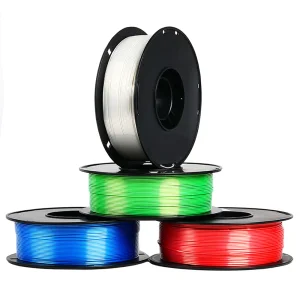
Wholesale 1.75mm white PETG Filament
Wholesale 1.75mm white PETG Filament for 3D printing Manufacturers, Factory
View Product Details
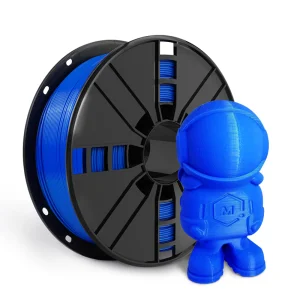
China ABS 3D Printer Filament Blue Color
China ABS 3D Printer Filament, Blue Color, ABS 1kg Spool 175mm Filament Manufacturers, Supplier
View Product Details
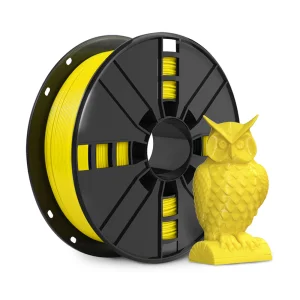
Wholesale Pla 3d printing filament yellow color
Wholesale Pla 3d printing filament yellow color Manufacturer, Factories
View Product Details
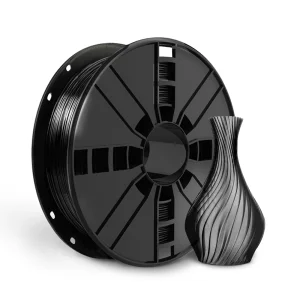
Wholesale PETG 3D printing material Black color
Wholesale PETG 3D printing material Black color Supplier, Factories
View Product Details
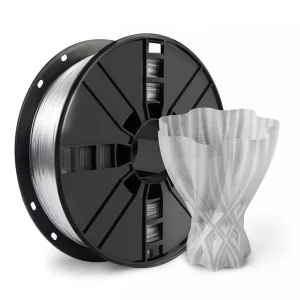
China PETG Transparent 3D filament Clear
China PETG Transparent 3D filament Clear Supplier, Suppliers
View Product Details
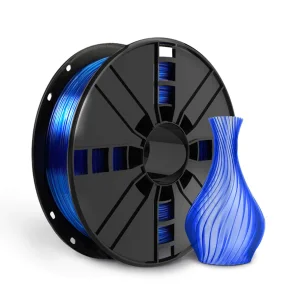
Wholesale PETG filament 1.75 Blue
Wholesale PETG filament 1.75 Blue for 3D printing Manufacturers, Factories
View Product Details
China TPU Rainbow Filament 1.75mm 1kg 95A
China TPU Rainbow Filament 1.75mm 1kg 95A Supplier, Factories
View Product Details
China 75A TPU filament flexible 3D filament
China 75A TPU filament flexible 3D filament 175mm 1kg spool Manufacturer, Suppliers
View Product Details