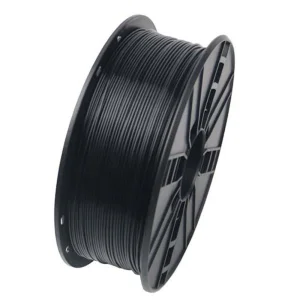
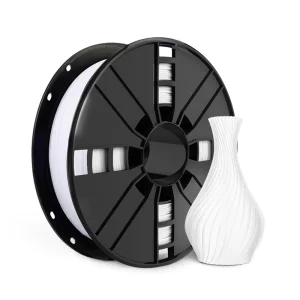
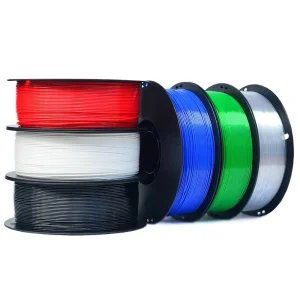
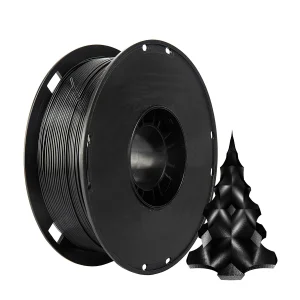
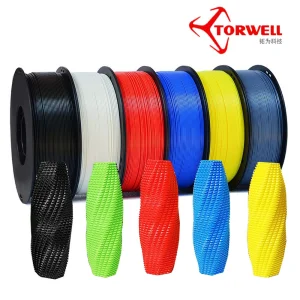
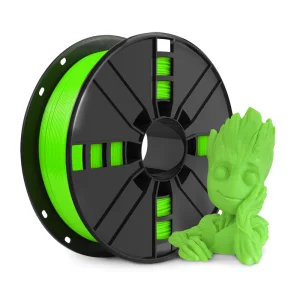
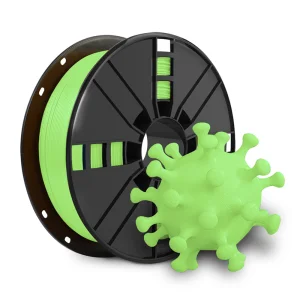
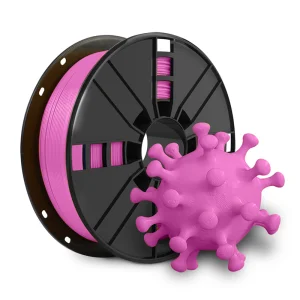
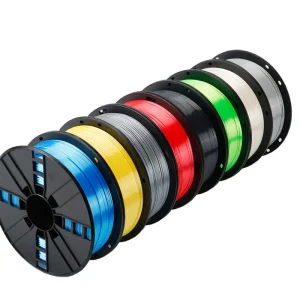
Explore our export-grade 1.75mm and 2.85mm thermoplastic filaments engineered with ±0.02 mm diameter tolerance for high-speed automated extrusion systems.
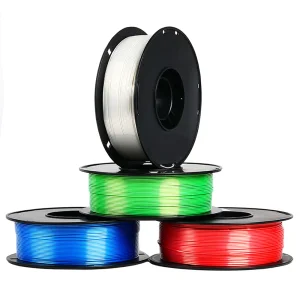
How precise polymer compounding, thermal crystallization control, and melt-flow index optimization determine print reliability across modern additive manufacturing hardware.
The global desktop and industrial 3D printing ecosystems have evolved beyond basic rapid prototyping into production-grade end-use manufacturing. At the center of this transformation lies the quality of 3D printer refills (thermoplastic filaments). Raw resin alone does not guarantee a successful print; true manufacturing expertise depends on controlling polymer degradation, moisture uptake, and rheological performance during extrusion.
Top-tier China 3D printer refill manufacturers leverage advanced twin-screw compounding lines that homogeneously blend virgin polymer resins with specialized plasticizers, nucleating agents, and light-fast pigments. This ensures that materials such as PLA, PETG, ABS, ASA, TPU, and Carbon Fiber composites maintain structural integrity under high thermal stress without clogging 0.4mm or 0.2mm nozzles.
Information Gain Metric: High-speed 3D printers operating at speeds between 300 mm/s and 600 mm/s require filaments with elevated Melt Flow Index (MFI) and dynamic viscosity response to avoid inter-layer delamination and extruder motor stalling.
Analyzing the industrial cluster effects, raw material integration, and high-volume economies of scale driving modern additive supply chains.
China houses the world's largest synthetic polymer and bio-based resin refining facilities. Direct access to raw PLA polylactic acid, PETG co-polyesters, and thermoplastic elastomers gives Chinese manufacturers unprecedented control over raw material consistency and raw material unit pricing.
From custom Pantone-matched masterbatches to bespoke spool designs (including recyclable cardboard spools for AMS units), Chinese manufacturing facilities offer low minimum order quantities (MOQs) alongside massive scalability for global distributors and Amazon top sellers.
Located near major ocean hubs like Shenzhen, Ningbo, and Shanghai, suppliers provide integrated freight consolidation, hazardous/non-hazardous documentation, customs classification expertise, and localized warehouse dropshipping support worldwide.
Engineers and procurement officers can use this structural guide to select optimal material formulations for targeted industrial and commercial applications.
| Material Type | Extrusion Temp. | Bed Temp. | Tensile Strength | Heat Deflection (HDT) | Primary Property Advantage | Recommended Applications |
|---|---|---|---|---|---|---|
| Standard PLA | 190°C – 220°C | 40°C – 60°C | 60 MPa | 55°C | Zero warping, crisp visual detail | Prototyping, architectural models, general goods |
| PLA+ / Tough PLA | 200°C – 230°C | 50°C – 65°C | 65 MPa | 58°C | 4x higher impact strength than standard PLA | Functional prototypes, jigs, structural housings |
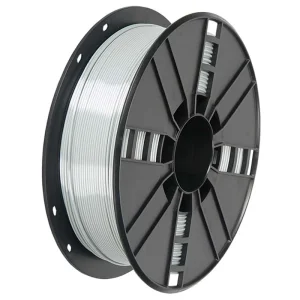
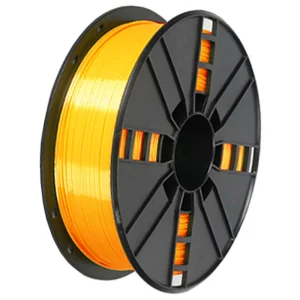
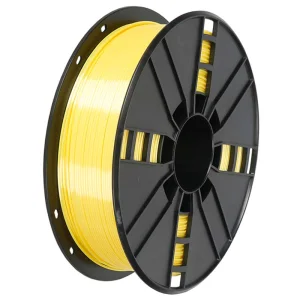
| Silk PLA | 205°C – 230°C | 50°C – 60°C | 52 MPa | 52°C | High-gloss satin surface finish, hides layer lines | Artistic prints, cosmetic enclosures, displays |
| PETG | 230°C – 250°C | 70°C – 80°C | 50 MPa | 70°C | High mechanical toughness, chemical resistance | Water-tight containers, snap-fit components |
| ABS Pro | 240°C – 265°C | 90°C – 110°C | 45 MPa | 85°C | High impact & thermal resistance, acetone smoothable | Automotive trim, electronics cases, tooling |
| ASA Weatherproof | 240°C – 260°C | 90°C – 100°C | 48 MPa | 92°C | UV stable, weather-resistant, zero yellowing | Outdoor fixtures, marine components, automotive exterior |
| TPU 95A / 85A | 210°C – 235°C | 30°C – 60°C | 35 MPa | N/A (Elastic) | High elasticity, oil/grease resistance, shock absorption | Gaskets, footwear soles, dampeners, protective boots |
| Carbon Fiber Composite | 250°C – 280°C | 80°C – 100°C | 85 MPa | 110°C | Extreme flexural modulus, low weight, matte finish | Drone frames, racing components, industrial fixtures |
Tailored spool designs, custom color formulation, and packaging engineering built for global distributors, OEM printer brands, and industrial volume purchasers.
Utilizing high-precision spectrophotometers, our lab formulates custom color masterbatches matched to exact Pantone or RAL codes with batch consistency Delta-E < 1.0.
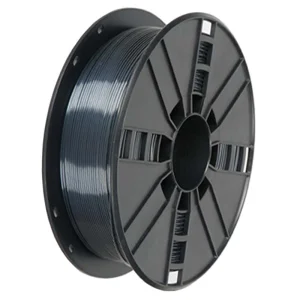
Choose between standard PC/ABS transparent spools, eco-friendly 100% recycled cardboard spools compatible with multi-material systems, or coreless master-spool refills.
Complete custom box printing, branded vacuum foil bags, barcode sticker application, customized user manuals, and OEM branded desiccant packs ready for retail shelves.
Every lot number is supplied with a Technical Data Sheet (TDS), Safety Data Sheet (SDS), and physical sample print test log archived for a minimum of 24 months.
Ensuring seamless market entry, customs compliance, and safety certification across North America, Europe, Asia-Pacific, and Latin America.
Exporting 3D printing consumables into strictly regulated global jurisdictions demands comprehensive chemical safety transparency. Our production lines conform to international environmental and health standards:
Hygroscopic polymers like PETG, TPU, PC, and Nylon readily absorb ambient atmospheric moisture, leading to hydrolytic degradation during printing. To prevent degradation during long ocean freight transits, our multi-layer moisture barrier packaging includes:
Stay ahead of market shifts driven by high-speed hardware, circular bio-plastics, and industrial composite applications.
The fast adoption of CoreXY 3D printers operating at speeds up to 600 mm/s and accelerations over 20,000 mm/s² requires filaments with rapid thermal melting and fast recrystallization kinetics to prevent stringing and maintain layer adhesion.
Global environmental mandates are driving demand for Post-Consumer Recycled (PCR) polymers, biodegradable PLA formulations, coreless refill coils, and cardboard spools designed to lower total carbon footprint across the additive supply chain.
The movement from prototyping to end-use parts is expanding demand for Carbon Fiber, Glass Fiber, and Kevlar reinforced matrices (PA-CF, PET-CF, PC-CF) capable of replacing CNC machined aluminum in jigs, fixtures, and drone frames.
How specialized material refills drive value across diverse commercial, industrial, and consumer sectors worldwide.
Heat-resistant ABS and ASA refills enable rapid tooling of intake manifolds, dashboard trims, and aerodynamic test parts withstand hood temperatures up to 95°C.
Skin-safe TPU 95A and non-toxic PLA refills allow medical labs to rapidly produce custom prosthetic liners, orthopedic foot insoles, and anatomical surgical models.
Silk PLA, Dual-Color Co-extrusion, and Glow-in-the-Dark filaments power lucrative retail and e-commerce product lines, cosplay accessories, and home decor items.
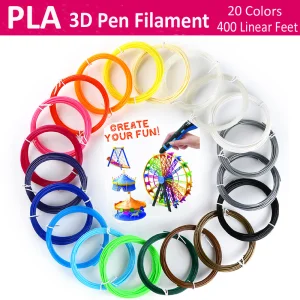
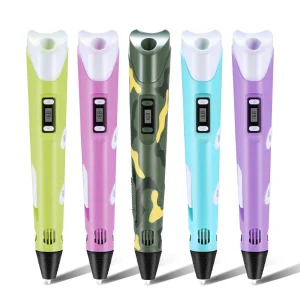
Low-odor, bio-degradable PLA refill coils and 3D Pen filament kits supply schools and universities with safe, reliable materials for hands-on engineering education.
Explore our engineering-grade PC, high-impact ABS, modified PLA+, and educational 3D Pen refill consumables engineered for international suppliers.
In-depth responses covering quality assurance, diameter tolerance controls, OEM customization, and global container shipping logistics.