Global 3D printing programs need more than a low spool price. They need stable material, predictable delivery, and documentation that survives internal review. This guide examines where to buy Asa Filament Bulk for prototypes, outdoor housings, automotive fixtures, and distributed manufacturing. The keyword matters because suppliers label bulk offers differently. Some sell ten-kilogram cartons, while others quote pallet quantities. The picture is not always neat.
ASA is valued for UV resistance, weather durability, and dimensional stability. Yet those benefits depend on formulation, drying, printer settings, and storage. A reliable supplier should provide a technical data sheet, batch information, recommended temperatures, and clear packaging details. Ask whether spools are sealed with desiccant. Check net weight, filament diameter tolerance, color consistency, and sample availability. Small samples can reveal warping before a global order becomes expensive. That assumption can fail.
Supplier location also affects freight time, taxes, customs procedures, and after-sales support. Buyers should compare delivered cost, not only the quoted kilogram price. Verify business credentials, quality systems, and responsible export practices. Independent reviews help, but they are not proof. Request references from projects using similar printers and environments. One practical warning remains: bulk buying can magnify a wrong decision. A discounted pallet is not a bargain if moisture, brittleness, or inconsistent colors stop production. Evidence matters. Review the details carefully, leave room for uncertainty, and choose a supplier that communicates when something goes wrong.
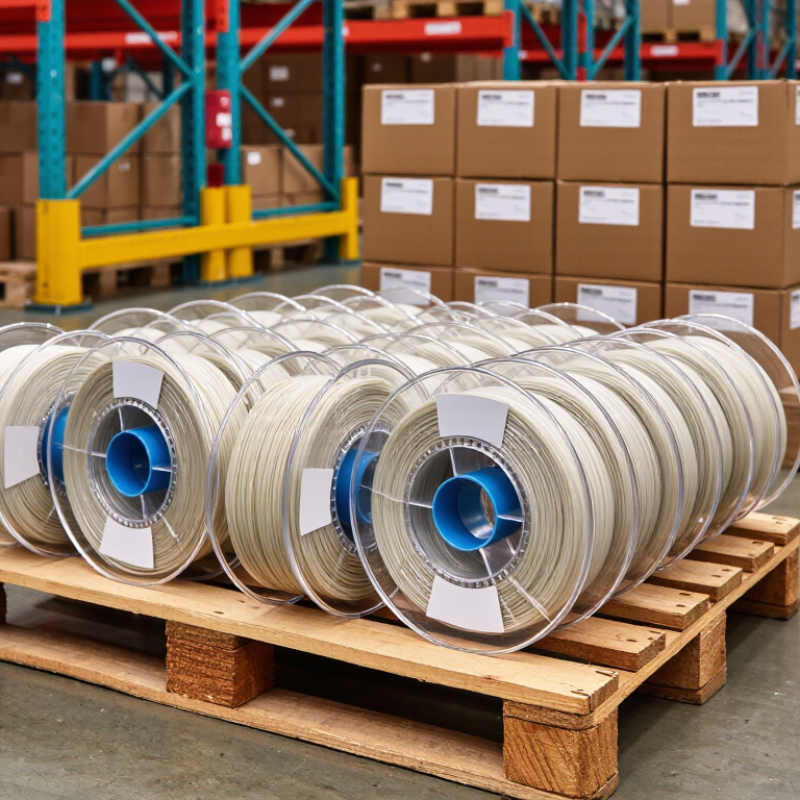
Where to Buy ASA Filament Bulk for Global Projects?
Large-scale ASA projects need clear material requirements before any supplier is contacted. ASA is valued for outdoor parts because it resists ultraviolet exposure, heat, and impact. Yet performance depends on more than the polymer name. Define the required nozzle temperature, bed temperature, layer strength, surface finish, and color tolerance. A 1.75 mm filament should maintain stable diameter across every spool. Small variations can cause weak layers or uneven extrusion. I have seen production runs delayed because drying conditions were ignored. ASA absorbs less moisture than some materials, but it still benefits from sealed storage and controlled drying.
Tips: Request a technical datasheet, safety information, diameter tolerance, and batch records. Order a small trial quantity before committing to pallets. Test five spools from different boxes. Measure warping, adhesion, shrinkage, and print consistency. Keep samples from approved batches for comparison. This simple record often prevents expensive surprises.
Global purchasing also requires practical planning. Check spool dimensions, packaging strength, production capacity, and expected lead time. Ask how color matching is controlled between batches. Confirm whether the supplier can provide stable documentation for every shipment. Bulk pricing matters, but rejected parts cost more than filament. A reasonable specification may still need revision after testing. That is normal. For international projects, choose the source that can repeatedly meet your requirements, not merely the lowest quoted price.
Choosing a bulk ASA filament supplier requires more than comparing prices. In real production, consistent diameter matters. A 1.75 mm spool should remain stable during long prints. Small variations can cause under-extrusion, jams, or rough exterior walls.
Ask suppliers for batch records, moisture-control procedures, and material safety data. Reliable producers should explain their ASA formulation clearly. Useful documents may include ISO 9001 quality systems, ASTM test methods, or regional conformity statements. These documents do not guarantee perfect filament. They show how quality is monitored. Check tensile strength, impact resistance, UV stability, and heat deflection data. Values should include test conditions, not only attractive numbers.
Global projects also require practical logistics. Confirm spool weight, carton dimensions, pallet limits, and storage instructions before ordering. A sealed moisture barrier helps, especially during sea transport. Request a production sample from the same batch before approving a large shipment. I have seen color changes between samples and later deliveries. That experience made batch traceability essential.
Do not ignore drying guidance. ASA may print poorly after humid storage. A supplier should provide recommended nozzle temperatures and drying temperatures. These settings are starting points, not universal rules. Printer design, additives, and chamber temperature can change results. A dependable supplier communicates limitations honestly. That is often more valuable than a flawless sales sheet.
Bulk purchasing ASA filament requires more than comparing the lowest kilogram price. A reliable supplier should provide consistent diameter, moisture-control packaging, and traceable production details. Ask for pricing at several volumes, such as 50, 200, and 500 kilograms. Some quotations look attractive but exclude spools, export packing, or documentation. Minimum order quantities also vary by color, diameter, and formulation. A lower MOQ may cost more per kilogram, yet it can reduce storage risks during pilot production.
Shipping terms deserve equal attention. Request the total landed cost, including freight, insurance, customs paperwork, and delivery charges. Clarify whether the quote uses EXW, FOB, CIF, or DDP terms. These conditions shift responsibility for transport and import procedures. Confirm pallet dimensions and carton weights before ordering. One unexpected oversized pallet can change the budget quickly. I have seen projects choose cheap material, then lose time because delivery estimates were too optimistic. That mistake is easy to repeat.
When sourcing bulk ASA filament, quality checks should happen before price comparisons. I inspect diameter consistency, spool winding, color uniformity, and batch identification. A reliable supplier should provide a technical data sheet, test results, and clear production dates. ASA performance can vary between batches, even when the material appears identical. I once overlooked a small diameter variation, and several long prints developed uneven layers. That mistake was expensive and avoidable.
Storage conditions also affect purchasing decisions. Ask how the filament was packed, sealed, and transported. Moisture can cause bubbles, brittle sections, and rough surfaces during printing. Each spool should arrive in sealed packaging with fresh desiccant. Store it in a dry cabinet, away from sunlight and sudden temperature changes. Bulk buyers should request sample spools first. A sample reveals more than a polished sales sheet.
Tips: Request samples from different batches. Measure filament diameter at several points. Confirm drying instructions and recommended nozzle temperatures. Keep receiving records, photos, and test prints for traceability. Compliance needs equal attention. Ask for safety data, material declarations, labeling details, and documentation relevant to the destination market. Requirements may differ by country and application. Do not assume one certificate covers every shipment. I would also review customs descriptions and packaging information with a qualified local professional. Documentation is sometimes incomplete. Build time for corrections before placing a large order.
Where to Buy ASA Filament Bulk for Global Projects?
Planning International Delivery, Customs, and Supply Continuity
Buying ASA filament in bulk requires more than comparing price per kilogram. I check production capacity, batch records, packaging quality, and export experience before placing a large order. A supplier should provide clear material specifications, spool dimensions, net weight, and recommended storage conditions. These details help prevent surprises during customs clearance and warehouse receiving.
Customs paperwork must match the shipment exactly. The commercial invoice should show accurate quantities, product descriptions, declared value, and country of origin. Ask a licensed customs broker to confirm the correct tariff classification for plastic filament. Requirements can differ between destination countries. Some shipments may also need safety documents or additional product declarations. Do not assume one document works everywhere.
International delivery needs practical planning. Moisture-resistant packaging, strong cartons, and pallet protection reduce damage during long transit. I also request photos before dispatch and keep a small reserve near the production site. Port congestion, currency changes, and seasonal delays can disrupt even careful schedules. A second approved supplier may improve continuity, but qualifying that supplier takes time. I once underestimated local storage capacity, which created unnecessary handling costs. That mistake still influences my purchasing plans. Buy earlier than feels necessary. Check every detail.
Planning international delivery, customs exposure, and supply continuity
The chart compares standard VAT/GST rates in major destination markets that may affect the landed cost of bulk ASA filament. The United States has no federal VAT or GST; state and local sales taxes may still apply. Import duty, brokerage fees, product classification, shipment value, and delivery terms must be checked separately before ordering.
Reference basis: published standard consumption-tax rates for the listed markets. Rates and customs treatment can change, so confirm current requirements with the destination customs authority.
ASA resists ultraviolet exposure, heat, and impact. It suits outdoor housings, fixtures, and protective parts. Performance still depends on printing conditions.
Define diameter, nozzle temperature, bed temperature, layer strength, surface finish, and color tolerance. Also specify acceptable warping and shrinkage limits.
A 1.75 mm filament should maintain a stable diameter across each spool. Small variations may cause under-extrusion, jams, weak layers, or rough walls.
Order a small trial quantity first. Test five spools from different boxes. Measure adhesion, warping, shrinkage, color consistency, and long-print stability.
Yes. ASA absorbs less moisture than some materials, but humid storage can still reduce print quality. Use sealed packaging and controlled drying.
Request a technical datasheet, safety information, diameter tolerance, batch records, and drying guidance. Test data should include conditions, not only attractive numbers.
Confirm spool weight, carton dimensions, pallet limits, packaging strength, and expected lead time. A sealed moisture barrier helps during sea transport.
Ask how color matching is controlled between batches. Keep approved samples for comparison. Batch traceability matters more than I once expected.
Not always. Rejected parts, delays, and reprinting can cost more than filament. A reasonable specification may need revision after testing. That is normal.
When sourcing Asa Filament Bulk for global projects, begin by defining the required material properties, colors, diameters, spool sizes, and estimated consumption. Large-scale production also requires consistent print performance, dimensional accuracy, UV resistance, and compatibility with the intended equipment. Compare international suppliers by reviewing product specifications, testing documentation, quality systems, and applicable industry standards rather than relying only on price. Request samples when possible to verify layer adhesion, surface finish, moisture levels, and batch consistency before placing a large order.
A complete purchasing plan should examine bulk pricing, minimum order quantities, payment conditions, lead times, and shipping terms. Confirm how the filament will be packaged and stored to prevent humidity-related problems, and check relevant safety, labeling, and customs documents before shipment. Plan delivery routes, import procedures, inspection timelines, and backup inventory carefully to reduce disruption. Clear communication about production schedules, replacement policies, and future availability can help maintain a stable supply throughout an international project.