Choosing the right Pla Filament Bundle requires more than comparing spool colors or advertised prices. The global additive manufacturing industry reached approximately $20.035 billion in 2023, according to the Wohlers Report 2024. This growth has increased demand for consistent, traceable, and application-specific materials. For home users, educators, and small workshops, a bundle can reduce interruptions. However, poor material matching can create warped corners, clogged nozzles, or brittle models.
A reliable selection begins with filament diameter, moisture protection, and printer compatibility. Most consumer FDM printers use 1.75 mm filament, but diameter tolerance still matters. A 0.05 mm variation can affect extrusion consistency. Check the manufacturer’s stated tolerance, drying guidance, and recommended nozzle temperature. ASTM International’s additive manufacturing standards also emphasize material characterization and process control. These principles apply, even in a small garage workshop.
Color variety is useful. Consistent batches matter more. Matte PLA may hide layer lines, while silk PLA often needs slower printing and careful temperature control. I would also inspect sealed packaging, desiccant placement, spool dimensions, and lot information. A low-cost bundle is not always economical. That lesson is easy to miss. Some bundles contain attractive colors but inconsistent winding, leaving the final meters unusable. Independent print tests, technical datasheets, and verified customer feedback provide stronger evidence than marketing claims. This guide explains how to compare each Pla Filament Bundle by performance, value, storage needs, and real printing purpose. It also recognizes an uncomfortable point: no bundle is ideal for every printer, project, or user.
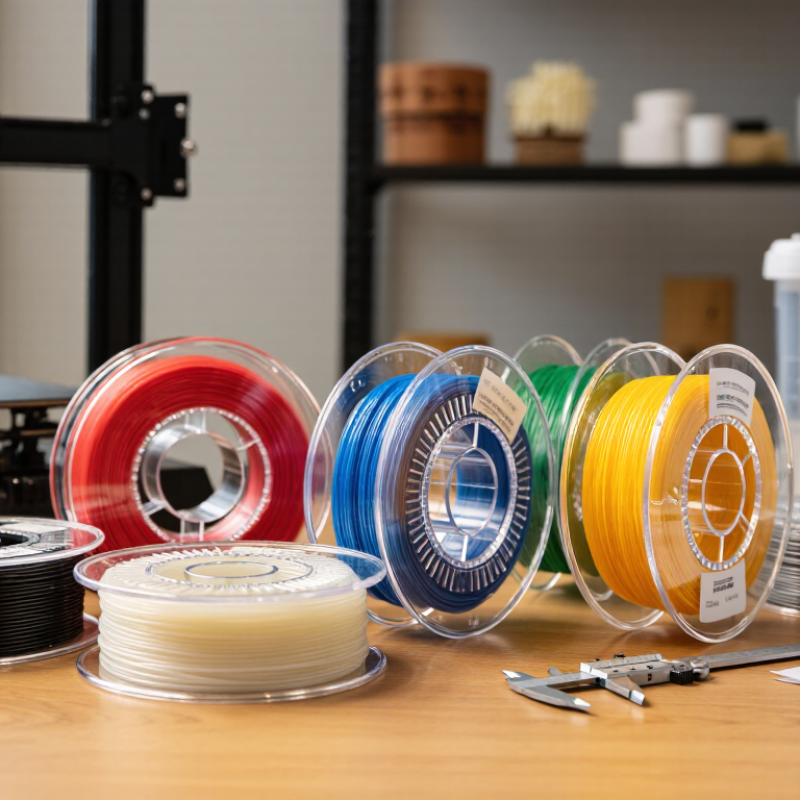
Before choosing a PLA filament bundle, define what you will actually print. A desk organizer needs reliable dimensions, while a decorative model may prioritize color and surface finish. Measure your printer’s build volume and confirm your nozzle diameter. Most standard PLA works well around 0.4 millimeters, but your settings still matter. Small details need slower speeds. Large parts need steady layer adhesion.
List your project requirements on paper. Include the number of colors, expected filament weight, preferred surface appearance, and required strength. A bundle with many bright colors may look attractive, but unused spools can absorb moisture over time. Choose practical shades if you mainly print functional parts. White, black, gray, and natural PLA often cover more projects.
Keep filament sealed with desiccant after opening. Moisture can cause popping, rough walls, and weak layers.
Check spool dimensions before buying several rolls. The spool must fit your holder and feed path without rubbing. Look for consistent diameter and clear material specifications. I once selected colors before checking weight, and one large prototype used more filament than expected. That was an avoidable mistake. Leave extra material for failed prints, calibration towers, and design changes. A small test cube can reveal poor adhesion or inaccurate flow before valuable filament is wasted. Your ideal bundle should match your printer, schedule, storage space, and real project list—not just your color preferences.
Identify your projects, required colors, expected filament weight, surface finish, and strength. A desk organizer needs accurate dimensions. Decorative models may favor appearance.
White, black, gray, and natural PLA suit many functional parts. Bright colors help with labels and educational models. Twelve colors may become clutter.
Standard PLA suits prototypes, figures, and organizers. Tough PLA handles more impact but may need different settings. Wood or metal blends can require larger nozzles.
Small 250-gram spools provide variety with less storage pressure. Large spools offer value for repeated projects. Opened filament needs an airtight container and desiccant.
Check consistent diameter, clean winding, sealed packaging, and clear material specifications. The spool should feed smoothly. Thin sections can weaken printed walls.
Measure the spool width and diameter before ordering. Confirm it fits the holder and feed path without rubbing. I once checked colors first. That was avoidable.
Print a small cube, temperature tower, and overhang test. Watch for stringing, rough walls, weak bridges, and layer separation. Test first.
Damp filament may pop at the nozzle, create rough walls, and produce weak layers. Store opened rolls with fresh desiccant. Dry storage is not optional.
Nozzle wear, cooling, room temperature, bed condition, and printer design affect results. Compare rolls under identical settings. No bundle performs perfectly everywhere.
Reserve material for failed prints, calibration towers, and design changes. One large prototype may use more filament than expected. I learned that late.
Choosing the right PLA Filament Bundle starts with understanding your 3D printing needs, including the types of projects you plan to create, the colors you use most often, and the quantity required for regular printing. Consider whether standard PLA, matte, silk, transparent, or specialty finishes are best suited to your designs, and select a bundle size that offers variety without creating unnecessary leftovers.
Filament quality is equally important. Check diameter consistency, moisture protection, spool design, printer compatibility, and reliable print performance to reduce clogs, warping, and failed prints. Properly sealed packaging and clear storage guidance can help preserve the material over time. Finally, compare the total cost with the amount of usable filament, potential waste, and long-term convenience. The best Pla Filament Bundle should provide dependable results, useful color options, suitable finishes, and genuine value for your printing habits rather than simply offering the lowest price.